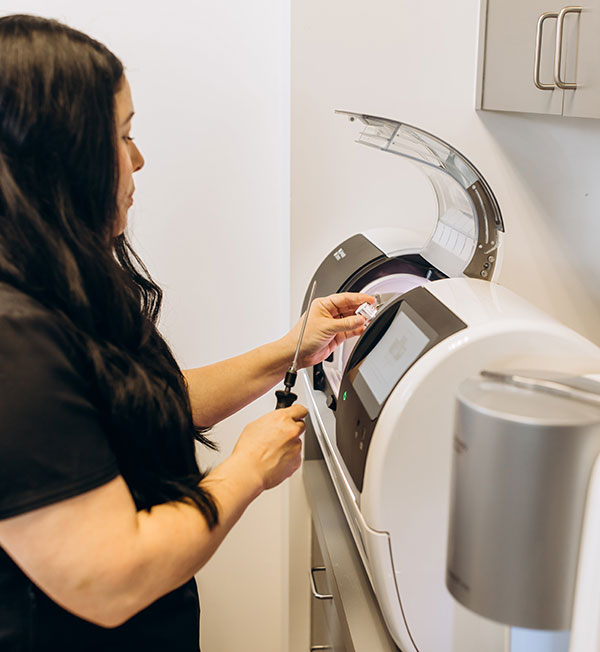

The image shows a modern 3D printer with a digital interface and a partially printed object on its bed, suggesting the use of advanced technology for manufacturing purposes.

CEREC

The image features a man smiling at the camera against a blue background with a graphic design overlay that includes text and logos, advertising dental services and promoting a website for a dental clinic.

Same-day ceramic restorations that prioritize precision, comfort, and a natural look—delivered with modern digital dentistry.

See How Digital Dentistry Speeds Treatment Without Sacrificing Quality

Digital workflows turn what used to take multiple visits into a streamlined experience. By replacing traditional molds with a high-resolution intraoral scan, we capture an accurate 3-D map of the prepared tooth and surrounding bite. That scan becomes the foundation for a restoration that fits precisely and requires minimal adjustment, reducing chair time and helping patients leave with a finished restoration sooner.

The software used in this process allows clinicians to evaluate occlusion, contact points, and aesthetics on screen, so adjustments can be planned before fabrication. This pre-visualization supports predictable outcomes and fewer follow-up appointments. For patients, the difference is clear: a process that’s faster, less invasive, and more comfortable than older techniques.

Because the design and milling steps happen chairside, the treatment team maintains control of every detail from start to finish. That level of oversight helps preserve both the function and the natural appearance of the tooth — and it gives patients confidence that their restoration was created specifically for them during a single visit.
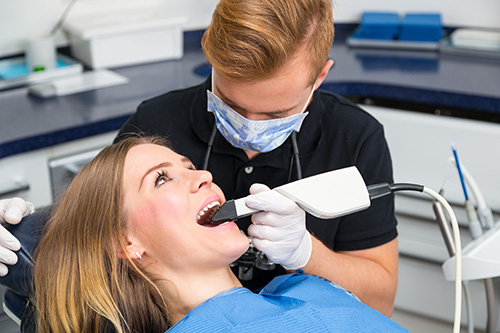
A dentist performing dental work on a patient in a dental office setting.

What to Expect During a Single-Visit Restoration

Treatment begins with a thorough exam and a discussion of goals so the restoration can be tailored to your smile. Once the tooth is prepared, an intraoral scanner records the detail of the area — no messy putty impressions are needed. The digital model appears on a chairside monitor where the dentist designs the restoration to match shape, size, and shade considerations.

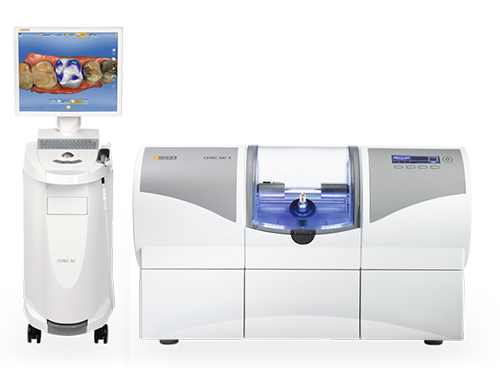
After the design is approved, the data is sent to a compact milling unit that carves the restoration from a solid block of ceramic. This fabrication typically occurs while you remain in the operatory, allowing the team to finalize fit and cosmetic adjustments immediately. When the restoration is ready, it is tried in, polished, and bonded in place using contemporary adhesive techniques for a secure, natural result.

Patients frequently note how comfortable the process feels compared with traditional multi-visit crowns. Because the restoration is created and bonded the same day, there’s no need for temporary crowns or extended waiting periods. The result is a durable restoration with careful attention to both function and appearance.

The image shows a modern dental office setup with various pieces of equipment, including a digital x-ray machine, a computer monitor displaying an X-ray image, a dental chair, and other dental instruments.

How Intraoral Scanning and Milling Work Together

Modern restorative care pairs precise digital imaging with computer-guided manufacturing. The intraoral scanner captures a high-fidelity, three-dimensional record of a prepared tooth and surrounding structures. That digital impression eliminates many common errors associated with physical molds, such as distortion or voids, and provides a reliable starting point for the restoration design.

Once designed, the restoration geometry is translated into instructions for a milling unit. The milling process sculpts a block of dental ceramic to the exact specifications provided by the software. This controlled environment produces margins and contacts that match the digital plan, reducing the need for manual reshaping and improving how the restoration interacts with adjacent teeth.

Because both design and milling occur in-house, adjustments can be made rapidly when needed. The dentist reviews fit and occlusion immediately and can fine-tune the restoration on site. This closed-loop system shortens the treatment timeline and enhances consistency across appointments.

A smiling woman with curly hair stands confidently in an office setting, wearing a white blouse and standing beside a dental chair.

Materials, Strength, and the Look of a Natural Tooth

Ceramic materials used in single-visit systems are engineered for both strength and aesthetics. They exhibit translucency and color depth that allow restorations to blend with natural enamel, while also providing the durability needed to withstand everyday chewing forces. The result is a restoration that performs and looks like a real tooth.

Because the fabrication occurs from a solid ceramic block, these restorations resist wear and maintain their polish over time. When combined with precise bonding protocols, the final restoration supports long-term function and reduced incidence of marginal breakdown. Proper oral hygiene and routine dental checkups help preserve the restoration’s condition for years to come.

The ability to shade and contour restorations during the design and finishing stages means cosmetic concerns are addressed as part of standard care. Whether the goal is to restore chewing function or to maintain a natural smile, material selection and finishing touches are chosen to match the patient’s existing dentition.

Who Benefits Most from This Treatment Model

This approach is well-suited for patients who value efficiency without compromising quality. People with a busy schedule, those who dislike impressions, or anyone seeking to reduce the time between tooth preparation and final restoration often find single-visit restorations particularly appealing. Because the workflow reduces the number of appointments, it can be more convenient while still delivering meticulous care.

The technique is applicable to a variety of restorative needs, including crowns, inlays, and onlays. Treatment decisions are always individualized: the dentist evaluates the extent of decay or damage, bite relationships, and aesthetic goals before recommending a restorative plan. When a same-day ceramic solution is appropriate, the process can simplify care and improve predictability.

Clinical judgment remains central. For complex situations that require additional laboratory work or specialized materials, the practice will recommend the option that best protects oral health and function. The single-visit model is an important tool in our restorative toolkit, used when it aligns with each patient’s clinical needs and preferences.

At the office of Signature Dental Care, we combine modern digital tools with thoughtful clinical experience to deliver restorations that look natural and function reliably. If you’re considering a same-day ceramic restoration or would like to understand whether this treatment is right for you, please contact us for more information.

Frequently Asked Questions

What is CEREC and how is it different from traditional crown treatment?

+

CEREC is a chairside digital system that designs and mills ceramic restorations in a single visit using CAD/CAM technology. The workflow replaces physical impressions with a high-resolution intraoral scan, provides an on-screen design environment, and fabricates the restoration from a solid ceramic block while the patient waits. This approach combines digital imaging, computer-guided design, and in-office milling to deliver a finished restoration the same day.

In contrast, traditional crown treatment typically relies on physical impressions sent to an external laboratory and requires at least two appointments with a temporary crown in between. Lab-fabricated restorations can be highly accurate, but they extend the treatment timeline and involve additional handling steps. CEREC streamlines those steps by keeping design and fabrication under direct clinical control.

How does the CEREC digital workflow work from scan to crown?

+

The process begins with a comprehensive exam and an intraoral scan that captures a three-dimensional map of the prepared tooth and surrounding bite. The digital file is transferred to design software where the clinician evaluates occlusion, contacts, and anatomy and refines the restoration geometry on-screen. After the design is approved, the data is sent to a compact milling unit that carves the restoration from a selected ceramic block.

Once milled, the restoration is tried in, adjusted as needed for fit and occlusion, and finished with staining or polishing to achieve the desired surface texture. Contemporary adhesive bonding protocols are used to secure the restoration in place, integrating it with the remaining tooth structure. Because these steps occur chairside, any necessary refinements can be completed immediately for a predictable outcome.

What are the clinical advantages of same-day CEREC restorations?

+

Same-day CEREC restorations reduce the number of appointments and eliminate the need for temporary crowns, which lowers the likelihood of temporary-related complications. The digital impression process reduces errors associated with physical molds, improving marginal fit and contact relationships in many cases. Real-time design review also allows clinicians to anticipate occlusal adjustments before milling, which can reduce chairside refinement.

Because fabrication occurs on-site, the treatment team retains control over material selection, contours, and finish, which helps preserve both function and esthetics. The closed-loop workflow can improve predictability and shorten the overall treatment timeline for appropriate cases. Clinical judgment remains essential to ensure that the technique aligns with each patient’s needs.

Who is a good candidate for a CEREC single-visit restoration?

+

Good candidates for CEREC restorations include patients who need single crowns, inlays, or onlays and who value a streamlined treatment timeline. Patients with adequate remaining tooth structure and manageable occlusal forces often benefit most from same-day ceramic restorations. Those who prefer to avoid impression material or temporary restorations may also find the digital workflow more comfortable.

Certain situations may require additional consideration before choosing a CEREC restoration, such as severe bruxism, extensive vertical dimension changes, or cases that demand highly specialized laboratory techniques. The dentist evaluates decay extent, bite relationships, aesthetic goals, and long-term prognosis to determine whether a single-visit approach is appropriate. Clinical judgment guides the decision to use CEREC or refer for a lab-fabricated solution when necessary.

What materials are used for CEREC crowns and how do they perform?

+

CEREC restorations are milled from blocks of dental ceramic engineered for strength and esthetics, including lithium disilicate and other glass-ceramics commonly used in CAD/CAM workflows. These materials provide translucency and color depth that allow restorations to blend with adjacent enamel while offering good compressive strength for posterior and anterior applications. The resulting restorations can resist wear and maintain polish when finished and bonded according to established protocols.

For cases that demand higher fracture resistance, certain CAD/CAM systems also support strong polycrystalline materials such as zirconia, which may be used when appropriate. Material selection depends on the restoration type, location in the mouth, occlusal demands, and aesthetic requirements. The clinician balances these factors to choose a material that supports long-term function and an acceptable appearance.

What should I expect during a CEREC single-visit appointment?

+

At the office of Signature Dental Care in Gilbert, a CEREC appointment typically begins with an exam and discussion of goals, followed by tooth preparation and an intraoral scan to capture the digital impression. The dentist designs the restoration on a chairside monitor and sends the approved design to the milling unit while you remain in the operatory. After milling, the team refines the fit, polishes or stains the restoration as needed, and bonds it into place using contemporary adhesive techniques.

You can expect to receive local anesthesia if required and to spend the appointment time comfortably in the chair while the digital workflow proceeds. The total visit often lasts a few hours depending on the case complexity and finishing steps, with most patients leaving with a permanent restoration in place. Postoperative care instructions are provided to support healing and restoration integration.

How durable are CEREC restorations and how long do they typically last?

+

The durability of CEREC restorations depends on the chosen ceramic material, the quality of the preparation and bond, and the patient’s oral environment and habits. When properly indicated and bonded, CAD/CAM ceramic restorations can perform comparably to laboratory-fabricated crowns in everyday function and wear resistance. Long-term success is influenced by occlusal forces, parafunctional habits, and routine maintenance.

Patients who grind or clench may require protective measures such as a nightguard to reduce the risk of chipping or fracture, and regular dental exams help identify early signs of wear or marginal change. Good oral hygiene and timely management of adjacent dental issues support the lifespan of any restoration. Clinical follow-up allows the dentist to address adjustments or repairs proactively.

How should I care for a CEREC restoration to preserve function and appearance?

+

Caring for a CEREC restoration follows the same principles as caring for a natural tooth: brush twice daily with a fluoride toothpaste, clean between teeth once daily, and maintain regular professional cleanings and exams. Avoiding excessively hard or abrasive foods and resisting habits such as opening packages with teeth helps protect the restoration from undue stress. If you have a history of bruxism, discuss a nightguard with your dentist to preserve restoration integrity.

During routine visits the dentist will check margins, contacts, and occlusion and can polish or adjust the restoration as needed to maintain comfort and function. Promptly reporting sensitivity, looseness, or a change in bite allows for early intervention. Following recommended preventive care reduces the likelihood of complications and supports a long service life for the restoration.

Can CEREC restorations match the color and shape of natural teeth?

+

Yes, CEREC restorations can be designed to match the shade, translucency, and contour of adjacent teeth using digital shade selection, layering techniques, and chairside staining or glazing. The design software allows clinicians to preview anatomy and adjust contours to harmonize with neighboring dentition and occlusion. Finishing and polishing steps further refine surface texture and light reflection to produce a natural appearance.

In highly demanding cosmetic cases where artistic layering or custom staining is necessary, a laboratory-fabricated restoration may offer additional options; however, many routine anterior and posterior restorations achieve excellent esthetic outcomes with chairside CAD/CAM ceramics. The dentist evaluates the aesthetic goals and chooses the workflow and material that best meet the patient’s expectations.

When might a traditional lab-fabricated restoration still be preferable to CEREC?

+

Traditional lab-fabricated restorations may be preferable for complex multi-unit cases, full-mouth reconstructions, or situations that require specialized layered porcelain artistry and custom characterization beyond typical chairside staining. Laboratory work can also be advantageous when specific materials or techniques not available chairside are indicated, or when an extended diagnostic and prototype process is needed to refine occlusion and esthetics. In such cases, the additional laboratory steps support a tailored, multidisciplinary treatment plan.

Clinical judgment determines the best pathway for each patient, and our team at Signature Dental Care will recommend the option that prioritizes long-term oral health and function. When a lab restoration is the better choice, the practice coordinates with trusted dental laboratories to ensure the final outcome aligns with the patient’s functional and aesthetic goals. The decision balances efficiency with the need for specialized materials and craftsmanship.

Schedule a visit today!
Contact Us
SMS Consent
Submit

Thank You!

We appreciate you taking the time to visit our site. We'll review your message and be in touch with you soon.

Continue
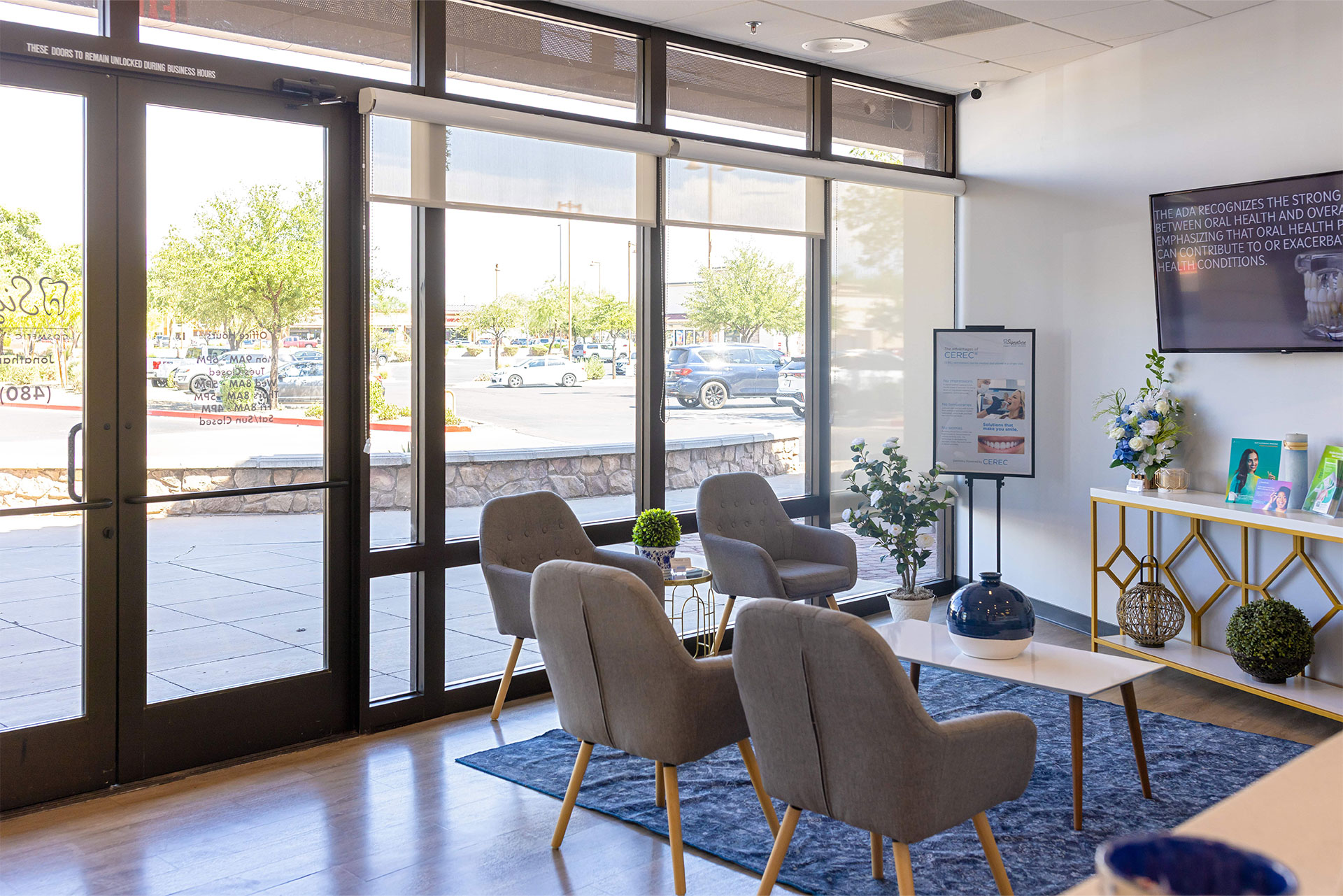
The image shows an interior space with large windows allowing natural light into the room. There is a modern furniture arrangement with a seating area featuring chairs and tables, a television mounted on the wall, and a reception desk with signage. A glass door leads to an outdoor patio area with additional seating and potted plants. The design suggests a contemporary and welcoming environment, possibly for a business or public space.