5340 S Power Rd, Suite 104
Gilbert, AZ 85295
Gilbert, AZ 85295
New Patients
(602) 357-4738
Existing Patients
(602) 842-6550



Dental bonding is a versatile, conservative treatment that can address a range of small cosmetic and restorative concerns. Using tooth-colored composite resin, a dentist can reshape a tooth, repair chips, close minor gaps, and mask certain types of discoloration — often in a single office visit. At the office of Signature Dental Care, we prioritize approaches that preserve natural tooth structure while delivering results that look and feel like real teeth.
The bonding process begins with a careful examination and discussion of goals so your dentist can determine the best approach for your smile. Once you and your clinician agree on a plan, the tooth is gently prepared: the surface is cleaned and lightly roughened to create a strong bond between the enamel and the restorative material. An adhesive is placed to ensure a durable connection.
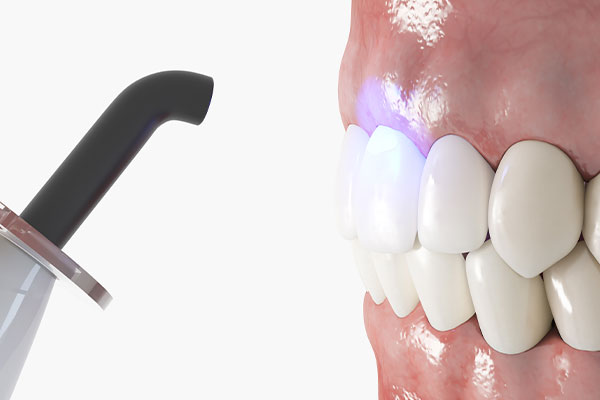
Next, layers of composite resin are applied and molded to recreate the tooth’s natural contours. Because composite comes in many shades and translucencies, the clinician can match the restoration to surrounding teeth for a seamless finish. Each layer is shaped and then hardened with a specialized curing light, allowing precise sculpting and immediate evaluation of fit and color.
After the material has been fully cured, the bonded area is trimmed and polished to refine the surface texture and bring out a natural luster. The entire appointment for a single tooth is typically completed in one visit, and most patients experience little to no discomfort. Local anesthetic is rarely necessary unless the bonding involves replacement of existing restorative material or proximity to an area of tooth sensitivity.
Contemporary dental composites are engineered to balance aesthetics, strength, and ease of use. These resins combine a resin matrix with reinforcing fillers that improve wear resistance and reduce staining. Advances in composite chemistry and adhesive systems have greatly increased the lifespan and appearance of bonded restorations compared with earlier generations of materials.
Shade-matching tools and layered application techniques allow clinicians to mimic the subtle optical properties of natural teeth, including translucency and color gradients. This attention to detail is important for creating results that blend invisibly with surrounding dentition. In addition, improved bonding agents enhance adhesion to both enamel and dentin, which helps restorations resist dislodgement and marginal breakdown.
Technology such as high-intensity curing lights and precision polishing instruments also contributes to predictable outcomes. These tools allow clinicians to set and finish composites in a way that minimizes porosity and surface roughness, factors that influence both appearance and resistance to staining. When chosen and applied correctly, modern bonding materials provide a balance of beauty and function for many situations.
Bonding is particularly well-suited to modest repairs and cosmetic refinements. It can restore a tooth after a minor chip or crack, reshape an irregular or undersized tooth, and close small gaps that orthodontics might not be necessary to treat. For many patients, bonding offers a straightforward way to improve smile symmetry and proportion.
In cases of surface discoloration that do not respond to whitening, bonding can mask the defect by placing tooth-colored material over the affected area. Bonding can also extend the life of teeth with small areas of decay that do not require more extensive restorations. Because the technique is so adaptable, dentists often use bonding as a conservative first step before considering more involved treatments.
It’s important to recognize the limitations as well: while bonding is excellent for minor corrections, larger structural problems or significant wear may call for crowns, veneers, or other restorative options. During your evaluation, your dental team will explain which solutions best meet your aesthetic goals, functional needs, and long-term oral health.
Maintaining bonded restorations requires the same everyday care you give natural teeth. Regular brushing with a fluoride toothpaste, flossing, and routine professional cleanings help prevent staining and maintain gum health around the bonded margins. Because composites are not as hard as enamel, avoiding habits that put excessive force on teeth—such as chewing ice, opening packages with your teeth, or persistent nail-biting—will prolong the life of the restoration.
Certain foods and habits can contribute to surface discoloration over time. Coffee, tea, red wine, tobacco, and strongly pigmented foods may stain composite surfaces more readily than natural enamel. While regular polishing during dental visits can refresh the finish, patients who wish to minimize staining should be mindful of these contributors and discuss maintenance strategies with their dental team.
If a bonded edge chips or shows wear, the procedure for repair is straightforward: the dentist can recontour the area and add fresh composite where needed. Because bonding is additive and conservative, repairs are typically less involved than replacing a full crown or veneer, making long-term maintenance manageable for many patients.
Choosing the appropriate treatment starts with a thorough clinical assessment and an honest conversation about goals. Bonding is an excellent choice when the goal is to correct small aesthetic concerns or to restore limited tooth structure while preserving as much natural tooth as possible. It is also a good option for patients who prefer a minimally invasive approach with immediate results.
Your dentist will consider factors such as bite forces, tooth position, the extent of the defect, and overall oral health when recommending bonding. In some situations—such as significant tooth loss, large restorations, or high-stress bite patterns—other restorative or cosmetic solutions may offer greater longevity and protection for the tooth.
Ultimately, the best path forward depends on balancing aesthetic desires with functional needs. A partnering conversation with your dental team will clarify expectations, outline potential outcomes, and help you make an informed choice that fits your lifestyle and oral health priorities.
To learn more about how bonding could improve the appearance and function of your teeth, contact Signature Dental Care for more information.
Dental bonding is a conservative restorative and cosmetic technique that uses tooth-colored composite resin to repair or reshape teeth. The material is sculpted directly onto the tooth surface to cover chips, close small gaps, correct minor contour issues, and mask certain stains that do not respond to whitening. Because the resin is color-matched and layered, a skilled clinician can recreate natural translucency and surface texture for an invisible result.
Bonding preserves more natural tooth structure than many alternatives because it requires minimal removal of enamel. The process relies on modern adhesive systems that establish a strong connection between the resin and tooth, allowing the restoration to function and appear like a natural part of the tooth. At the office of Signature Dental Care, we favor techniques that balance aesthetics with long-term preservation of tooth structure.
Ideal candidates for bonding are patients who need small cosmetic corrections or limited restorative work, such as repairing a minor chip, closing a narrow gap, or covering a localized discoloration. Bonding is often appropriate when the defect is small enough that a direct, additive approach can restore form and function without more extensive preparation. Patients seeking a minimally invasive option with same-day results frequently choose bonding for these types of concerns.
Not all situations are best treated with bonding, however, and candidacy depends on factors such as bite forces, tooth position, extent of decay or damage, and overall oral health. Heavy tooth wear, pronounced misalignment, or large areas of structural loss may be better managed with veneers, crowns, or orthodontic care. A thorough clinical assessment will identify when bonding is the most predictable and appropriate choice for a patient’s long-term oral health.
A typical bonding appointment begins with an examination and discussion of goals so the clinician can select an appropriate shade and determine the planned contour. The tooth surface is cleaned and lightly roughened to encourage strong adhesion, then an adhesive or bonding agent is applied to the enamel and dentin as needed. Layers of composite resin are placed, sculpted to the desired shape, and then cured with a specialized light between layers for strength and precision.
Once the composite is fully set, the dentist refines the contours, checks the bite, and polishes the surface to recreate natural luster and smoothness. The procedure for a single tooth is usually completed in one visit, and most patients report minimal discomfort because extensive tooth preparation is rarely required. If additional adjustments are needed after the appointment, small refinements are straightforward and typically handled at a follow-up visit.
Modern bonding uses advanced composite resins that combine a resin matrix with microscopic reinforcing fillers to improve strength, polishability, and resistance to wear. Contemporary adhesive systems are formulated to bond reliably to both enamel and dentin, reducing the risk of marginal breakdown and improving the longevity of the restoration. Shade guides and layered application techniques allow clinicians to match color, translucency, and surface character for lifelike results.
Equipment such as high-intensity LED curing lights ensures thorough polymerization of each composite layer, while precision polishing instruments create a smooth, stain-resistant finish. Digital shade-matching tools and intraoral imaging may also be used to plan and document the restoration for predictable esthetic outcomes. These material and technological advances make modern bonding a dependable option for many conservative restorations.
The lifespan of a bonded restoration varies depending on the location of the tooth, the patient’s bite forces, oral hygiene habits, and exposure to staining substances. With proper care and routine dental maintenance, many bonded repairs remain functional and esthetic for several years, but they are generally considered less durable than full-coverage crowns or porcelain veneers for high-stress situations. Regular monitoring at checkups helps catch early wear or marginal changes so repairs can be made before larger problems develop.
Factors that shorten longevity include heavy chewing forces, bruxism, frequent consumption of staining foods and beverages, and habits such as using teeth to open packaging. Conversely, gentle handling of the teeth, consistent oral hygiene, and prompt attention to small chips or roughness can extend the life of a bonded restoration. During your evaluation, the clinician will review expected outcomes and maintenance strategies specific to your situation.
Caring for bonded teeth starts with the same daily routine recommended for natural teeth: brush twice a day with fluoride toothpaste and floss once daily to control plaque and protect the margins of the restoration. Professional cleanings and exams allow the dental team to polish bonded surfaces, remove surface staining, and assess the integrity of the repair. Avoiding hard objects and refraining from using teeth as tools will reduce the risk of chipping the composite.
Because composite can pick up surface stains more readily than enamel, limiting or rinsing after stain-causing foods and drinks—such as coffee, tea, and red wine—helps preserve shade. If you grind or clench your teeth, a custom night guard can protect bonded areas from excessive wear and extend their service life. Discussing a personalized maintenance plan with your clinician will help you keep bonded restorations looking their best over time.
Yes, one of the advantages of composite bonding is that repairs are typically straightforward and conservative. A chipped edge can often be smoothed and built up with additional composite during a short office visit, and surface discoloration can frequently be polished away or refreshed with selective replacement of the stained material. Because bonding is an additive technique, targeted repairs usually avoid the need to remove the entire restoration.
When a restoration shows more extensive wear or repeated failure, the dentist may recommend replacing the bonded material or considering a more durable option depending on the clinical situation. Regular dental visits allow early identification of areas that would benefit from minor repair rather than full replacement, helping preserve tooth structure and maintain aesthetics. Your dentist will explain the simplest, most predictable repair strategy when you bring any concerns to your appointment.
Bonding is generally less invasive than veneers and crowns because it requires minimal to no removal of healthy tooth structure and can often be completed in a single visit. Veneers and crowns, which are typically fabricated from porcelain or other ceramics, offer greater resistance to staining and wear and may provide superior long-term durability and esthetics for larger or more complex cases. The choice among these options depends on the extent of damage, aesthetic goals, and functional demands on the tooth.
For small cosmetic corrections and limited restorations, bonding is an excellent first-line solution due to its conservative nature and reparability. For teeth with significant structural loss, heavy wear, or when a highly durable, stain-resistant surface is required, veneers or crowns may be the better option. A careful clinical evaluation will determine which treatment best balances preservation, appearance, and longevity for each patient.
Bonding is a low-risk procedure, but patients should be aware of potential side effects such as temporary tooth sensitivity after the procedure, minor chipping, or gradual surface staining over time. In some cases, the bonded margin may show wear or marginal discoloration that requires polishing or localized repair. Allergic reactions to dental materials are rare, but clinicians screen for known material sensitivities during the treatment planning process.
Many risks can be minimized through careful case selection, the use of appropriate adhesives and materials, and protective measures for patients with heavy bite forces or parafunctional habits. Regular follow-up appointments allow the dental team to monitor the restoration and address any early signs of wear or marginal change. Open communication with your clinician about symptoms such as new sensitivity or roughness helps ensure timely management and predictable results.
Deciding whether bonding is the best option begins with a comprehensive clinical exam that evaluates tooth structure, gum health, bite relationships, and aesthetic goals. Your dentist will review alternative treatments, explain the relative benefits and limitations of bonding, and show how the expected result fits with your overall oral health plan. Diagnostic tools such as intraoral photos and digital imaging can help visualize outcomes and guide an informed decision.
During the consultation, discuss your priorities for appearance, function, and maintenance so the clinician can recommend a predictable, personalized plan. For many patients seeking minimally invasive improvement with same-day results, bonding offers an excellent balance of conservation and esthetics, and your dental team will explain whether it is the most suitable option for your needs at Signature Dental Care.