5340 S Power Rd, Suite 104
Gilbert, AZ 85295
Gilbert, AZ 85295
New Patients
(602) 357-4738
Existing Patients
(602) 842-6550



Keeping a healthy smile starts with what you do at home, but even the most careful brushing and flossing can miss the tight spaces where plaque and bacteria quietly build up. Professional dental cleanings are a key step in preventing cavities, gum disease, and the slow progression of problems that can affect your comfort and overall health. Regular visits give your dental team a chance to catch early warning signs and maintain the foundation of a long-lasting, vibrant smile.
Daily brushing removes much of the surface film of plaque, but hardened deposits called tartar form where toothbrush bristles can’t reach. Those deposits harbor bacteria that contribute to gum inflammation and tooth decay. A professional cleaning eliminates this buildup and reduces the microbial load in your mouth, which lowers the risk of infection and helps gums stay firm and healthy.
Beyond the mouth, research links oral inflammation to broader health concerns, so managing bacterial levels is important for whole‑body wellness. Regular cleanings are a preventive measure that supports both local oral health and overall well‑being by reducing chronic sources of inflammation.
Cleanings also give clinicians a chance to evaluate changes over time—monitoring gum recession, pocket depths, and early decay—so that small issues can be addressed before they require more extensive care. Think of each cleaning as an important checkpoint in a proactive oral health plan.
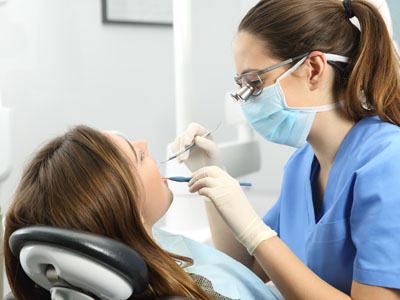
Most cleanings begin with a careful examination of your teeth and soft tissues to identify areas that need focused attention. Your hygienist will then remove plaque and tartar using a combination of hand instruments and an ultrasonic scaler. Ultrasonic devices use gentle vibrations and a steady water spray to break apart hardened deposits, while hand instruments refine the surfaces where precision is needed.
After scaling, the hygienist polishes the teeth to remove surface stains and smooth the enamel, leaving your mouth feeling clean and refreshed. Flossing and a final rinse help clear away any remaining debris. If appropriate, your clinician may apply preventative treatments or review the need for further diagnostic steps, such as X‑rays, to get a complete picture of your oral health.
Most routine cleanings are comfortable and completed efficiently, but if you have sensitive areas or heightened anxiety, the team will discuss options to improve your comfort, such as topical numbing agents or breaks during the appointment. The goal is a thorough, comfortable experience that leaves you informed and confident about next steps.
“Twice a year” is a common guideline, but the ideal interval for professional cleanings varies by patient. Factors such as gum health, history of periodontal disease, smoking, certain medications, and systemic health conditions influence how often you should be seen. Your dental team will recommend a schedule based on your specific risk factors and how your mouth responds to care.
For patients with early gum disease or deeper periodontal pockets, cleanings are often adjusted to address those areas more thoroughly. This may include more frequent maintenance visits or targeted therapies that go beyond a routine polish. Conversely, patients with stable, healthy gums may be able to maintain excellent oral health with routine twice‑annual visits and strong home care.
Personalized cleanings also include tailored hygiene coaching. Hygienists will demonstrate techniques, suggest the best tools for your situation—such as interdental brushes, floss types, or electric toothbrush settings—and provide dietary advice to help extend the benefits of the appointment at home.
Today’s dental cleanings combine traditional skill with technology designed to enhance safety and comfort. Ultrasonic scalers reduce procedure time and typically feel less abrasive than scraping with hand instruments alone. Providers follow strict infection‑control protocols and use high‑quality materials to minimize discomfort while maximizing effectiveness.
For patients who experience sensitivity or anxiety, the care team has several strategies to improve the visit: topical anesthetics for localized sensitivity, short breaks during treatment, and calm, clear communication throughout the appointment. These measures make preventive care accessible and manageable for people of all ages.
In addition, modern practices integrate diagnostic tools like digital X‑rays and intraoral cameras when needed. These technologies allow clinicians to identify concerns that aren’t visible during a routine exam and to explain findings clearly so you can make informed decisions about your care.
Professional cleanings deliver a powerful reset, but their benefits are maximized by consistent at‑home habits. Brushing twice daily with a fluoride toothpaste, flossing once a day, and cleaning between teeth with interdental brushes or floss are foundational habits that limit plaque buildup and support longer intervals between intensive treatments.
Small lifestyle choices also matter. Limiting frequent snacking on sugary or acidic foods, avoiding tobacco, and staying hydrated help maintain a healthy oral environment. If you grind your teeth, use a recommended night guard to prevent excessive wear; if you have dry mouth from medications, discuss strategies with your clinician to protect enamel and reduce bacterial growth.
Finally, keep an open dialogue with your dental team. Report changes such as bleeding gums, new sensitivity, persistent bad breath, or shifting teeth. Early reporting allows your provider to respond quickly with adjustments to your cleaning schedule or targeted care that keeps small problems from becoming larger ones.
Regular dental cleanings are one of the simplest and most effective ways to preserve your smile and protect your overall health. If you’re looking for dependable preventive care in Gilbert, AZ, the team at Signature Dental Care focuses on personalized cleanings that balance comfort, safety, and long‑term results. Contact us for more information about what to expect at your next visit or to discuss a care plan tailored to your needs.
A professional dental cleaning is a preventive appointment performed by a licensed hygienist or dentist to remove plaque, tartar and surface stains from your teeth. The procedure combines visual and tactile examination with scaling and polishing to reduce the bacterial load that contributes to decay and gum inflammation. Cleanings also include an assessment of soft tissues and a review of any changes since your last visit so the clinician can recommend appropriate follow-up.
These appointments are a cornerstone of preventive dentistry because they address deposits and bacteria that daily brushing and flossing can miss. Hygienists use a mix of ultrasonic instruments and hand scalers to reach tight spaces, followed by polishing and flossing to leave the mouth clean and refreshed. The clinician documents findings and may suggest diagnostic X-rays or a revised hygiene plan when indicated.
Regular dental cleanings help control oral bacteria and inflammation, which protects teeth and gum tissues from progressive disease. Persistent oral inflammation can create an ongoing source of bacteria and immune activity, so reducing that burden supports both local oral health and contributes to overall well‑being. Cleanings give clinicians the opportunity to detect early signs of decay, gum disease or other oral conditions when they are simplest to treat.
Maintaining a schedule of professional cleanings also creates a record of oral health over time, enabling personalized prevention strategies and early interventions. By catching changes early, your dental team can recommend targeted therapies, hygiene adjustments or monitoring rather than more invasive care later. This proactive approach helps preserve natural teeth and maintain comfort and function for years to come.
A typical modern cleaning begins with a careful exam of the teeth, gums and soft tissues to identify areas needing focused attention. The hygienist then removes plaque and hardened tartar using an ultrasonic scaler to break up deposits and hand instruments to refine root and tooth surfaces, followed by polishing to smooth enamel and remove surface stains. The visit usually concludes with flossing, a final rinse and a brief discussion of findings and recommended next steps.
If additional diagnostics are needed, the clinician may suggest digital X‑rays or intraoral photos to get a more complete view of underlying structures. For patients with sensitivity, targeted measures such as topical desensitizing agents or short breaks during treatment can improve comfort. The process is designed to be thorough, efficient and educational so you leave informed about your oral health status.
While the common guideline is a cleaning every six months, the ideal interval is individualized based on each patient’s risk factors and oral health history. Factors that typically shorten the recommended interval include active periodontal disease, a history of frequent cavities, smoking, certain medications that cause dry mouth, and systemic health conditions that affect gum disease risk. Your dental team will recommend a schedule that balances preventive benefit with your personal risk profile.
For patients with stable gum health and excellent home care, twice‑annual visits may be sufficient to maintain long‑term health. Conversely, patients who require periodontal maintenance often benefit from more frequent visits, such as every three to four months, to control bacterial levels and monitor healing. These personalized schedules help prevent relapse and reduce the need for more extensive treatment.
Yes. When gum disease is present, routine prophylaxis may be supplemented or replaced by periodontal therapies designed to treat infection below the gumline. Care for periodontal disease can include deeper scaling and root planing, antimicrobial treatments, and a series of maintenance visits focused on reducing pocket depths and controlling inflammation. The goal of periodontal care is to stabilize the tissues and prevent further attachment loss around the teeth.
After the initial periodontal phase, patients typically follow a maintenance schedule tailored to their response to therapy, which often involves more frequent cleanings and focused hygiene coaching. Hygienists may use specialized instruments and techniques to access and maintain deeper pockets, and clinicians will monitor clinical measures like pocket depth and bleeding on probing to guide ongoing care. Consistent follow‑up is essential for long-term stability when gum disease has been diagnosed.
Dental teams offer several strategies to improve comfort during cleanings, beginning with clear communication and short breaks as needed to manage anxiety or sensitivity. Topical desensitizing agents and localized numbing can reduce discomfort in sensitive areas, and clinicians will adjust techniques to minimize pressure when possible. Behavioral strategies such as guided breathing, distraction techniques and step‑by‑step explanations also help many patients feel more at ease.
For patients with significant dental fear or who require deeper relaxation, practices may provide nitrous oxide or oral sedation after a clinical evaluation and appropriate consent. These options are used selectively and discussed in advance so patients understand the process and any necessary preparations. The team will work with you to select the safest, most appropriate approach to ensure a comfortable preventive visit.
Modern diagnostics and instruments make cleanings more effective and efficient by improving visualization and removing deposits with less abrasion. Ultrasonic scalers use high‑frequency vibrations and water to break apart tartar quickly, reducing procedure time and often feeling gentler than hand scaling alone. Digital X‑rays and intraoral cameras provide detailed images that help clinicians detect hidden decay, bone changes or early pathology that a visual exam might miss.
Electronic charting and patient education tools also enhance the experience by documenting changes over time and illustrating findings for clearer patient understanding. When clinicians can show intraoral photos or X‑ray images, patients are better equipped to make informed decisions about preventive measures and follow‑up care. These technologies support targeted, evidence‑based cleaning protocols and more meaningful communication.
Consistent at‑home oral hygiene is the best way to extend the results of a professional cleaning; brush twice daily with a fluoride toothpaste and clean between teeth once a day with floss or interdental brushes. Using an electric toothbrush can improve plaque removal for many people, and selecting interdental tools that fit your spacing will make daily cleaning more effective. Limiting frequent snacking on sugary or acidic foods and avoiding tobacco helps reduce new plaque accumulation and staining.
Other supportive measures include staying well hydrated to combat dry mouth, using fluoride rinses when recommended, and wearing a night guard if you grind your teeth to prevent wear. Discuss any medications that cause dry mouth with your clinician so they can suggest tailored strategies, such as saliva substitutes or targeted fluoride applications. An open dialogue with your dental team ensures your home routine aligns with clinical recommendations.
In most cases, routine dental cleanings are safe during pregnancy and are encouraged to maintain oral health, but timing and specific treatments should be coordinated with your obstetric provider. Many clinicians prefer to perform nonurgent dental care during the second trimester when possible, and they will take precautions to ensure comfort and safety. It is important to inform the dental team about your pregnancy, medications and any medical conditions so care can be adapted appropriately.
Patients with systemic conditions such as diabetes, heart disease or immune disorders should also inform their dental team so appointments and preventive strategies can be customized. Certain medical situations may warrant consultation with your physician or antibiotic prophylaxis in specific cases, and modern digital radiography uses very low radiation when images are necessary. Open communication between providers enables safe, effective preventive care tailored to your overall health.
At Signature Dental Care in Gilbert, AZ, cleaning plans are built around each patient’s clinical findings, risk factors and personal preferences to maximize preventive benefit. The team reviews gum health, cavity risk, medical history and lifestyle factors before recommending an interval and any adjunctive therapies such as fluoride, sealants or targeted maintenance protocols. Hygiene visits also include individualized coaching on brushing technique, interdental cleaning and product recommendations to support long‑term success.
Personalization extends to comfort and technology choices as well; clinicians select instruments and calming strategies based on sensitivity, anxiety and clinical need while using diagnostics like digital X‑rays or intraoral imaging when they provide relevant information. The result is a tailored plan that emphasizes prevention, early detection and a comfortable experience so patients can maintain a healthy, functional smile over time.