5340 S Power Rd, Suite 104
Gilbert, AZ 85295
Gilbert, AZ 85295
New Patients
(602) 357-4738
Existing Patients
(602) 842-6550



When a cavity or injury removes part of a tooth’s structure, a filling restores form and function so you can bite, chew, and smile without worry. A properly placed restoration rebuilds the tooth’s contours, seals the vulnerable area against further decay, and helps distribute chewing forces so the remaining tooth tissue remains strong. Fillings are one of the most common restorative treatments in dentistry because they address problems early and preserve natural tooth structure.
At the office of Signature Dental Care, we focus on conservative techniques that protect healthy enamel while removing only the damaged tissue. That approach helps maintain long-term tooth integrity and reduces the need for more extensive procedures later. Our clinicians evaluate each tooth individually to choose an approach that meets clinical requirements and your expectations for durability and appearance.
Placing a filling is often straightforward, but the decision-making behind it is deliberate. We consider the location and size of the cavity, the forces that tooth will encounter, any esthetic concerns, and your overall dental health when recommending a material. The goal is a restoration that looks natural, functions reliably, and supports your oral health for years to come.
Human attempts to repair teeth date back millennia, but modern restorative dentistry has changed dramatically over the last two centuries. For much of the 19th and 20th centuries, metal alloys such as gold and amalgam were the primary options because of their strength and longevity. While those restorations remain functional, they are distinct in appearance and sometimes require more extensive tooth preparation.
Since the mid-20th century, materials science has introduced alternatives that emphasize tooth preservation and aesthetics. Advances in composite resins, ceramics, and bioactive cements offer options that bond to tooth structure, match natural shades, and in some cases release protective minerals. These developments allow clinicians to select materials that balance strength, appearance, and conservation of healthy tissue.
Not every cavity or fracture is the same, and neither is every patient. Our treatment planning starts with a careful exam and, when necessary, diagnostic imaging to map the extent of damage. We discuss the pros and cons of available materials and outline what to expect during and after treatment so you can make an informed choice that aligns with your needs.
For patients with sensitivity, high bite forces, or a history of recurrent decay, certain materials or protective strategies may be recommended. In some cases, a direct filling is appropriate; in others, an indirect restoration such as an inlay or onlay provides better long-term strength. Your restoration plan will reflect both clinical best practices and your personal priorities.
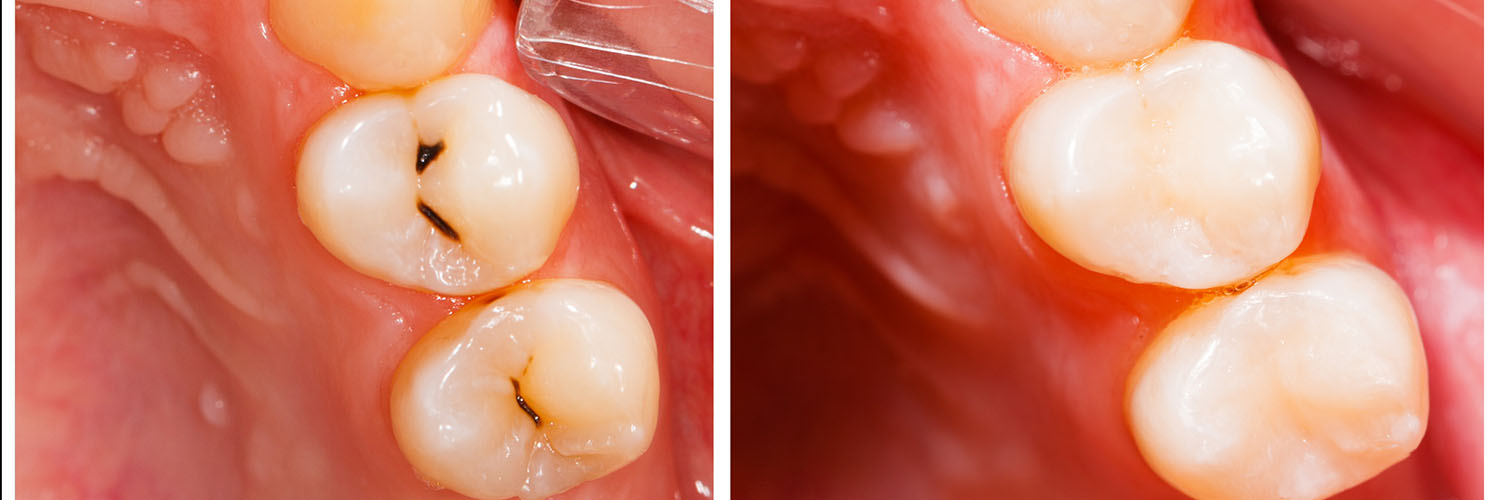
Today’s restorative palette gives dentists several reliable choices, each with distinct benefits. Some materials prioritize aesthetic integration with surrounding teeth, while others emphasize durability under heavy chewing forces. Understanding the differences helps you and your dentist choose the best match for the tooth’s role in the mouth and your personal preferences.
Beyond the core differences in appearance and strength, materials vary in how they are placed and how they interact with the remaining tooth. Some bond chemically to tooth structure and help reinforce it, while others depend on mechanical retention. Certain restoratives are placed directly in a single visit; others are fabricated in a lab and cemented later for a precise fit.
We offer a range of restorative materials so that each restoration is tailored to its location and function—whether it’s a small filling in a front tooth where appearance matters, or a large restoration on a molar that requires maximum wear resistance. The next section outlines common materials and when they are typically used.
Composite resin combines dental-grade polymers with finely ground glass or ceramic fillers to create a strong, shade-matching material. Because composites bond to the tooth surface, they often require removal of less healthy structure than older metallic restorations. They are a versatile option for both front and back teeth where a natural appearance is important.
Composite restorations are placed incrementally and cured with a special light, which allows the clinician to sculpt anatomy and polish the surface for a smooth finish. Like any material, composites can accumulate stains over many years and may require replacement eventually, but their conservative placement and esthetic benefits make them a popular choice.
Amalgam is a strong, wear-resistant alloy that has a long track record of performance, particularly in posterior teeth subject to heavy chewing forces. While it does not match natural tooth color, amalgam remains a dependable choice where durability is the primary concern.
Amalgam restorations are typically placed in a single visit and can withstand significant stress. When deciding whether amalgam is appropriate, we weigh its mechanical benefits against esthetic goals and the amount of healthy tooth structure that must be altered for placement.
Glass ionomer materials bond chemically to tooth structure and slowly release fluoride, which can help protect the restoration site from further decay. Because they are not as wear-resistant as some other materials, glass ionomers are frequently used in non-load-bearing situations, for pediatric dentistry, or as temporary restorations.
These cements can be an excellent choice where chemical adhesion and fluoride release offer clinical advantages, such as in cervical cavities near the gumline or in primary teeth where minimal invasiveness is a priority.
Ceramic restorations are fabricated from high-quality dental porcelains and offer exceptional color stability and wear resistance. Because they are made outside the mouth (indirect restorations), they can be customized for a precise fit and polished to a natural luster that resists staining.
Inlays and onlays are often chosen when a cavity is too extensive for a direct filling but a full crown is not yet necessary. They preserve more natural tooth structure while providing durable protection for the remaining tooth.
Gold alloys are biocompatible and very durable, with a long history of clinical success. Because of their metallic appearance and higher cost, gold is less commonly chosen today, but it remains an excellent option where strength and longevity are the top priorities.
When used, gold inlays or onlays are fabricated in a laboratory and cemented into place, offering a precise fit and long-term dimensional stability under heavy occlusal loads.
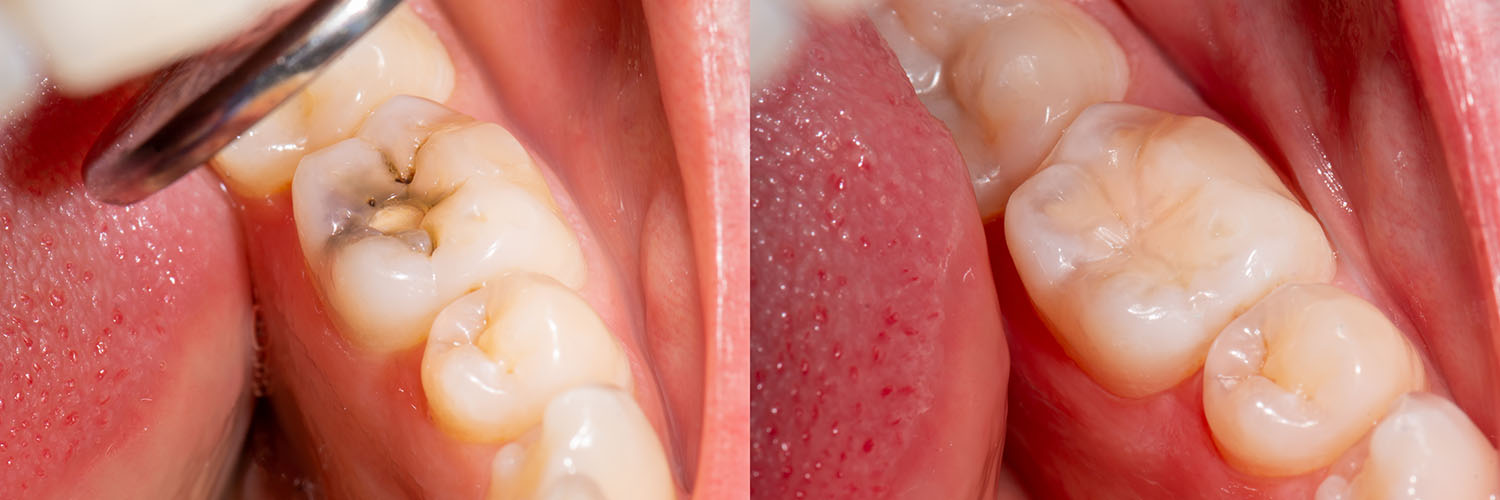
Selecting a restorative material involves balancing aesthetic goals, functional demands, and the amount of tooth structure that remains. For a small visible defect on a front tooth, a shade-matched composite may be ideal. For a large restoration on a back molar, an indirect ceramic or a robust amalgam might be more appropriate to resist fracturing and wear.
We also factor in your oral habits—such as grinding or clenching—as well as any concerns about longevity and maintenance. Where possible, we favor treatments that preserve tooth tissue and support long-term oral health. If a conservative filling is unlikely to provide a durable result, we will discuss alternatives such as inlays, onlays, or crowns.
Your comfort with the aesthetic outcome is important. We walk through shade selection and look at examples so you know what result to expect. The decision is collaborative: our clinical recommendations are guided by evidence and experience, and your preferences help shape the final plan.
When a cavity requires treatment, your visit typically begins with a focused exam and any needed X-rays to determine the depth of decay. Local anesthesia is commonly used so the treatment is comfortable; once the area is numb, your dentist removes decayed tissue and prepares the tooth for the chosen filling material.
Removal of decay may involve a high-speed handpiece (drill), air abrasion, or laser technology depending on the situation and clinician preference. After the cavity is cleaned, the tooth may be lined or treated with a bonding agent before the restorative material is placed. Direct restorations are typically completed in a single visit; indirect restorations require an impression or digital scan and a second appointment for placement.
Throughout the procedure we check your bite and polish the restoration to ensure proper function and comfort. For patients who experience anxiety about dental treatment, we can discuss options including dental sedation to help you relax during the appointment.
Following placement, a new filling may feel slightly different to your tongue or opposing teeth for a short time. It is common to experience mild sensitivity to hot or cold foods for a few days while the tooth adjusts. If sensitivity persists or you notice discomfort when biting, contact the office so we can evaluate the restoration and make any necessary refinements.
Protecting a restoration starts with effective daily oral hygiene—brushing twice a day with fluoride toothpaste and flossing once a day reduces the risk of recurrent decay at the margins of the filling. Routine dental checkups and cleanings allow us to monitor restorations and identify wear or breakdown early, when small repairs are usually sufficient.
Most modern filling materials provide many years of service, but no restoration lasts forever. Heavy chewing forces, bruxism, and repeated decay can all shorten a restoration’s lifespan. If a filling shows significant wear or margins begin to fail, we’ll recommend the most appropriate repair or replacement that safeguards the tooth’s future.
Take care while numb
After the appointment, keep in mind that local anesthesia can leave lips and tongue numb for a short period. Avoid chewing until normal sensation returns to prevent accidental injury.
Report bite irregularities
If your bite feels uneven or you experience pressure when chewing, call the office. Small adjustments are often all that is needed to restore comfortable function.
Expect temporary sensitivity
Short-lived sensitivity to temperature or sweets is common and typically resolves within a few days. Persistent or increasing pain should be evaluated promptly.
Maintain regular care
Good home care and periodic professional exams help your fillings last and protect the tooth from new decay. When necessary, we can recommend protective measures like night guards or targeted fluoride therapy.
We are committed to clear communication and careful technique so your restorations perform well and fit your expectations. If you have any questions about fillings or which option is best for your smile, please contact our office for more information.
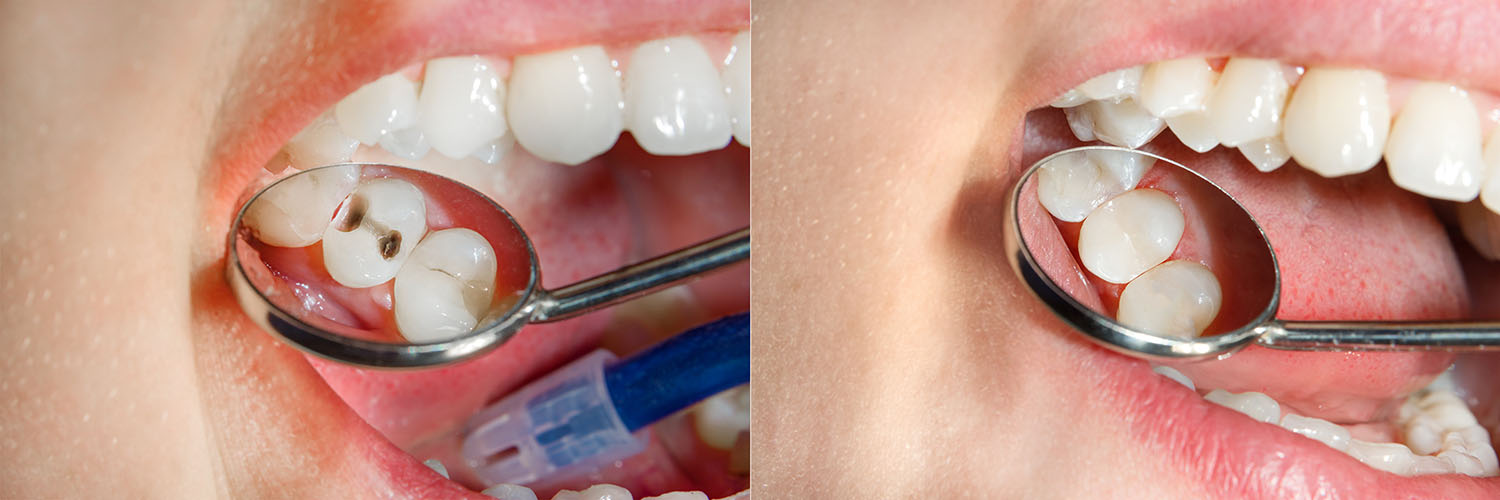

If the pleasure of eating a delicious bowl of ice cream or sipping a soothing cup of tea gets overshadowed by dental pain that makes you wince; it's time to contact our office. As skilled providers of care, we'll determine what's causing your discomfort and perform the treatment required to alleviate your symptoms and get you back on the road to oral health.
Cavities develop because of an infectious process that causes progressive damage to tooth structure. Despite starting as a pinpoint defect on the outermost enamel layer of your tooth, untreated dental decay progressively compromises more and more healthy tooth structure as it works its way to the inner layers of your tooth.
Yes, you can still develop tooth decay on other surfaces of the tooth, around the margins of an old filling, or in fewer instances, recurrent decay underneath it. For this reason, it's essential to maintain excellent oral hygiene, a diet low in sugary beverages and sweets, and be sure to visit our office for routine checkups and care. While tooth decay is second only to the common cold in frequency, it's almost entirely preventable.
We value the time and comfort of our patients. If cavities are located on adjacent teeth, or in the same section of your smile, it may be possible to treat more than one tooth during your visit. However, how much is done each visit depends on several factors. We keep our patients well informed and tailor every treatment plan and visit to address their unique needs.
Addressing concerns on the presence of elemental mercury in silver fillings, the American Dental Association (ADA), The Center for Disease Control and Prevention (CDC), the FDA, and the World Health Organization have all stated that amalgam restorations do not pose a risk to health. However, individuals with allergies or sensitivities to the metals in dental amalgam are advised to pursue other restorative options.
Dental fillings are performed under local anesthesia to help ensure your comfort throughout the entire procedure. The involved tooth remains completely numb for the extent of your visit. Within one or two hours after the procedure is completed, the local anesthetic will gradually wear off, and normal sensations return.
A tooth-colored composite filling is fully hardened and set by the end of your visit. However, we may advise you to wait a couple of hours until the local anesthesia has completely worn off. This advice is to help ensure you don't accidentally bite your lip, cheek, or tongue while still numb.
The lifetime of a dental filling varies depending on the type of material used. While popular dental materials can last a decade or more with proper care, they can degrade over time, wear down, or even break. When this happens, you may experience some tooth sensitivity, a jagged edge, or a loose or dislodged piece of filling material. Whatever the case may be, it's essential to get the filling replaced before the tooth sustains further damage or other consequences arise. Beyond taking good care of your smile to help ensure the longevity of your fillings, our office regularly checks the status of your existing fillings as part of a routine checkup exam.
Dental fillings are an essential investment that serves to preserve and protect the health of your smile. With that said, how much a filling costs depends on the number of surfaces of the tooth involved and the filling material that is used. Amalgam restorations are the most economical. While tooth-colored composite fillings have a slightly higher cost, they offer the added benefits of being metal-free and much more aesthetically pleasing. Ceramic fillings, inlays, and onlays are more expensive than the preceding options but provide outstanding, long-lasting, and natural-looking results.
Dental insurances typically cover the cost of dental fillings. While we work with you to maximize your insurance benefits, there may still be an out-of-pocket expense. At the office of Signature Dental Care, we strive to help you begin care without any additional financial stress or delay.
Dental fillings are restorations placed to repair teeth that have been damaged by decay or injury. They restore the tooth's shape and function so you can chew comfortably while sealing areas at risk for further decay. Fillings also help distribute biting forces across remaining tooth structure to reduce the chance of fracture.
The primary goal of a filling is to preserve as much natural tooth as possible while preventing recurrent disease. By treating problems early with an appropriate restoration, clinicians can often avoid more extensive procedures such as crowns or extractions. Your dentist will explain how a filling protects the tooth and which outcomes you can expect after treatment.
Choosing a filling material involves balancing the tooth's location and size, functional demands, esthetic goals, and the condition of the remaining tooth structure. Clinicians consider whether the restoration needs to withstand heavy chewing forces, whether it will be visible when you smile, and whether conserving enamel is a priority. Patient factors such as grinding, sensitivity, and past dental history also influence the recommendation.
Common options include tooth-colored composite resin, glass ionomer cements, metal amalgam, and indirect materials like ceramic inlays or onlays. Each material has advantages and trade-offs in durability, appearance, and how it bonds to the tooth. Your dentist will discuss these differences and recommend the option that best meets clinical needs and your personal preferences.
A typical appointment begins with an exam and any necessary X-rays to determine the extent of decay. Local anesthesia is used as needed to keep the area comfortable while the dentist removes decayed tissue and prepares the cavity for the chosen material. Depending on the situation, decay removal may involve a high-speed handpiece, air abrasion, or laser technology, and the tooth may be lined or treated with a bonding agent before the restorative material is placed.
Direct restorations such as composite fillings are placed and cured in a single visit, then shaped and polished for proper function. Indirect restorations like ceramic inlays require a digital scan or impression and a second appointment for final cementation. If you experience dental anxiety, Signature Dental Care can discuss options such as conscious sedation to help you remain relaxed during treatment.
Modern filling materials can provide many years of reliable service, but longevity varies by material, location in the mouth, oral habits, and how well the restoration is cared for. Fillings on back teeth that handle heavy chewing may wear sooner than small restorations on front teeth. Factors such as bruxism, poor oral hygiene, and recurrent decay at the margins can shorten a filling's useful life.
Regular dental checkups allow your dentist to monitor restorations for signs of wear, leakage, or breakdown so repairs can be made early. When a filling shows significant deterioration, replacement with a new restoration or an alternative like an inlay, onlay, or crown may be recommended to protect the tooth. Prompt attention to changes in sensitivity or bite can prevent more extensive treatment later.
Advances in composite resin technology have greatly improved strength and wear resistance, making tooth-colored restorations an excellent option for many situations. Composites bond to the tooth surface, which often allows for more conservative preparation and can help reinforce remaining tooth structure. Their esthetic advantage makes them especially popular for visible teeth or cases where a natural appearance matters.
Amalgam has a long history of durability in high-stress posterior areas, and it still performs well where maximum wear resistance is required. The clinical decision between composite and amalgam depends on the size of the cavity, the tooth's role in chewing, and individual habits like clenching. Your dentist will evaluate these factors and recommend the material most likely to deliver a durable, functional restoration for your situation.
Inlays and onlays are indirect restorations made outside the mouth from materials such as ceramic or gold, then bonded or cemented into place. They are often recommended when a cavity is too large for a direct filling but the tooth does not require a full crown. Because they are fabricated with precise laboratory or CAD/CAM techniques, inlays and onlays can provide excellent fit and long-term strength while preserving more natural tooth structure than a crown.
These restorations are especially useful when a cusp needs protection or when a large portion of the tooth has been lost to decay or fracture. The process typically requires two visits: a digital scan or impression followed by final placement once the restoration is fabricated. Your dentist will discuss whether an inlay or onlay offers the best balance of conservation and durability for your tooth.
Mild sensitivity after filling placement is common and usually resolves within a few days to a few weeks as the tooth adjusts. Sensitivity can arise from irritation of the nerve when decay is deep, from changes in temperature conduction with certain materials, or from bite discrepancies that put pressure on the tooth. In most cases, conservative measures such as desensitizing toothpaste and short-term avoidance of extreme hot or cold foods help relieve symptoms.
If sensitivity persists, increases, or is accompanied by sharp pain, contact the dental office for evaluation. The dentist may adjust the bite, apply a protective liner, or recommend additional treatment if the nerve shows signs of inflammation. Prompt assessment prevents prolonged discomfort and helps determine whether the restoration needs refinement or replacement.
Good oral hygiene is the foundation of long-lasting restorations: brush twice daily with fluoride toothpaste, floss once a day, and maintain regular professional cleanings and exams. Avoid chewing hard objects like ice or pens, and be mindful of habits such as nail biting or opening packages with your teeth that can place excessive stress on restorations. If you grind or clench your teeth, a night guard can reduce wear and help preserve fillings.
During dental visits, the clinician will check restoration margins and contact points to catch early signs of wear or recurrent decay. Small repairs are often possible when issues are identified early, which can extend the life of the restoration and protect the natural tooth. Communicate any changes in fit, bite, or comfort so adjustments can be made promptly.
Dental materials used today have been studied and regulated for safety, and clinicians select options that are biocompatible and appropriate for each patient. Some patients may have specific material sensitivities or preferences, and those concerns should be discussed so alternatives can be chosen when clinically appropriate. Amalgam, composites, glass ionomer, ceramics, and precious metal alloys each have known safety profiles and are used based on evidence and individual needs.
If you have a history of material allergies, autoimmune conditions, or chemical sensitivities, inform your dentist so that suitable materials and protocols can be employed. The dental team also follows strict infection control and sterilization standards to ensure safe treatment. Open communication about health history and concerns helps the clinician provide a safe, personalized restoration plan.
The office of Signature Dental Care emphasizes conservative techniques that remove only damaged tissue while preserving healthy enamel and dentin wherever possible. Treatment planning begins with a focused exam and diagnostic imaging when needed, and the clinician explains material options and expected outcomes so patients can make informed choices. This conservative philosophy aims to maintain long-term tooth integrity and reduce the need for larger restorations later.
Patient comfort is also a priority, with local anesthesia and comfort measures used during procedures and options such as sedation discussed for those who experience anxiety. The team prioritizes clear communication, careful technique, and follow-up care to ensure restorations perform well and meet patient expectations. If you have questions about fillings or want to know which option is best for your situation, contact the office to schedule a consultation.