5340 S Power Rd, Suite 104
Gilbert, AZ 85295
Gilbert, AZ 85295
New Patients
(602) 357-4738
Existing Patients
(602) 842-6550



Advances in dental materials and fabrication techniques have made replacing missing teeth more natural and comfortable than ever. While fixed restorations such as dental implants and bridgework are excellent solutions for many patients, removable dentures continue to be a reliable, versatile option for restoring appearance and oral function.
At the office of Signature Dental Care, we design and craft dentures with attention to fit, bite, and the facial support that helps maintain a youthful profile. Our approach emphasizes careful planning and hands-on craftsmanship so that each prosthesis looks natural and works well in everyday life.
We work with patients to identify the most appropriate denture option for their dental condition, lifestyle, and goals. Whether you need a partial appliance to replace a few teeth or a full prosthesis to restore an entire arch, our team aims to deliver solutions that feel secure and help patients regain confidence when speaking, eating, and smiling.
Losing one or more teeth affects more than aesthetics. Missing teeth alter how the mouth functions: chewing patterns shift, neighboring teeth can drift into empty spaces, and the balance between the upper and lower jaws may be disrupted. These changes can lead to uneven wear, additional tooth loss, and discomfort over time if left unaddressed.
Beyond oral function, tooth loss can influence facial contours. Teeth help support the lips and cheeks, and their absence can contribute to a sunken appearance as bone and soft tissues remodel. Restoring missing teeth with appropriately designed dentures helps reestablish that support and can improve facial symmetry and profile.
There are also practical impacts to consider. Gaps in the dentition can make speech more difficult, reduce the variety of foods you can comfortably eat, and introduce hygiene challenges. Addressing tooth loss with a considered prosthetic plan helps preserve oral health and quality of life.
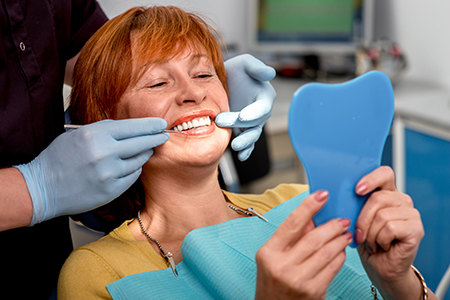
Dentures are removable prosthetic devices made to sit on the gums and replicate the look and function of natural teeth. They consist of artificial teeth set in a supportive base that is shaped to the contours of the gums and jaw. Contemporary materials and manufacturing processes produce lifelike tooth shapes and shades that blend with a patient’s existing features.
Removable dentures offer the advantage of being taken out for cleaning, which can simplify oral hygiene and allow direct care of the gums and any remaining teeth. They can be crafted to replace a single tooth area, several missing teeth, or an entire arch, depending on the clinical situation and the patient’s preference.
While fixed options such as implants provide a more permanent attachment in many cases, removable dentures remain an excellent choice for patients who prefer a non-surgical route, require coverage for multiple missing teeth, or need a solution that can be adjusted as tissues change over time.
Selecting the most suitable denture type begins with a thorough examination of the remaining teeth, gums, and underlying jawbone. Our team evaluates the condition of the mouth, your bite, and your daily needs to recommend a partial or complete denture that balances comfort, stability, and appearance.
Partial dentures replace some missing teeth while preserving the healthy teeth that remain. They often use clasps or precise attachments to stay in place and prevent unwanted tooth movement. Full dentures replace all teeth in an arch and rely on surface contact, muscle coordination, and, when appropriate, additional retention methods to remain stable.
Material choices and design options have expanded. Lightweight resin bases, flexible partial frameworks, and improved tooth composites give patients choices that affect weight, comfort, and aesthetics. We’ll discuss these options with you and tailor the design to the unique anatomy of your mouth.
Complete dentures are designed to replace every tooth in the upper arch, lower arch, or both. Each appliance is shaped to match the jaw and soft tissue contours and to restore proper bite relationships. A well-crafted complete denture supports speech and chewing while providing facial support.
A conventional full denture is made and fitted after any remaining teeth have been removed and the gums have healed. This approach often yields a precise fit because the tissues are stable when impressions are taken. Immediate dentures, by contrast, are placed on the same day teeth are removed so patients are not without teeth during healing. Immediate appliances typically require follow-up adjustments as tissues change during recovery.
Overdentures
Overdentures are complete prostheses that gain extra support from the remaining roots or from attachments placed on implants. By preserving roots or using implants as anchors, overdentures deliver improved stability and help maintain jawbone health.
Implant-Supported Dentures
Implant-supported dentures attach to dental implants that are strategically placed in the jaw. This arrangement reduces movement, increases chewing efficiency, and can feel more secure than a traditional tissue-supported denture.
Partial dentures are an effective way to replace gaps while using existing teeth for support. They restore balance to the bite, prevent shifting of neighboring teeth, and help maintain proper chewing function. Retention may be achieved through discreet clasps or precision attachments integrated into crowns on adjacent teeth.
Design and material choices for partials vary: metal-framework partials are durable and thin, while flexible-resin frameworks can be more aesthetic and comfortable for some patients. We review the options and select a design that meets practical needs without compromising long-term oral health.
At the office of Signature Dental Care, our goal is to match the denture type and design to your individual circumstances so the final result feels comfortable and performs reliably.
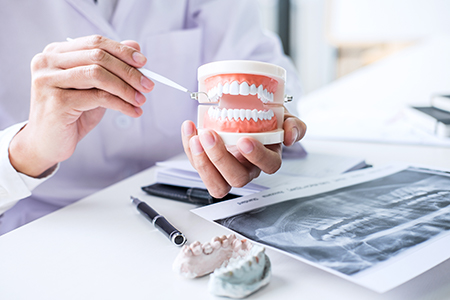
Creating a denture that fits well and functions predictably begins with careful planning. We start with a detailed medical and dental history, intraoral examination, and diagnostic records. In many cases, digital imaging or x-rays are used to evaluate bone levels and the condition of any remaining teeth.
Before fabrication, we may recommend preparatory procedures such as extractions, periodontal care, or reshaping of tissue to create a stable foundation. When implants are part of the plan, treatment is coordinated to ensure optimal implant placement for future prosthetic attachment.
The fabrication process typically involves multiple steps: preliminary impressions, custom trays, careful bite records, tooth selection for shade and shape, and try-in visits to assess fit and aesthetics. Each stage is an opportunity to fine-tune the appliance so that the final denture meets both functional needs and cosmetic expectations.
Our team emphasizes communication throughout this process. We encourage patients to share their concerns and preferences so the final result aligns with how they want to look and function in daily life.

Adjusting to a new denture is a gradual process. It’s common to experience minor soreness or increased saliva as the mouth adapts to the appliance. These sensations typically ease with time and can be managed with small adjustments during follow-up visits.
Getting comfortable with speech and chewing
Speaking clearly may feel different at first; practicing reading aloud and speaking regularly helps speed adaptation. Eating begins best with soft, evenly chewed foods and gradual reintroduction of firmer foods as confidence grows.
Hygiene and daily care
Keeping your denture clean is essential. Rinse the appliance after meals, brush it with a soft brush designed for dentures, and soak it overnight as recommended. Also maintain care for any remaining natural teeth, gums, and tongue to preserve overall oral health.
When to expect follow-up adjustments
As the mouth heals or naturally remodels, denture fit can change. We provide follow-up visits to adjust pressure points, refine occlusion, and, when needed, perform relines to restore proper intimate contact between the denture base and tissues.
Enhanced retention options
Some patients benefit from denture adhesives for added confidence, while others prefer the increased stability that implant attachments or overdenture designs provide. We’ll review these choices based on your needs and the health of your supporting structures.
Maintaining routine dental visits is an important part of successful long-term denture wear. These appointments allow us to monitor oral health, evaluate fit, and address changes proactively so that your denture continues to serve you well.
In summary, dentures remain a practical and adaptable solution for replacing missing teeth. Thoughtful design, precise fabrication, and attentive follow-up care can produce comfortable, attractive results that restore function and confidence. If you would like to learn more about denture options or schedule a consultation, please contact us for more information.

Dentures are removable prosthetic devices that replace missing teeth and the surrounding gum tissue. They consist of artificial teeth set into a base shaped to fit the contours of the gums and jaw. Well-designed dentures restore chewing, speech and basic facial support.
Modern dentures use lifelike tooth shapes and shades and can be made from a range of materials to balance strength and appearance. They may replace a few teeth as a partial denture or an entire arch as a complete denture. At Signature Dental Care we prioritize fit, bite and facial support so patients can feel comfortable with everyday activities.
There are several common denture styles including removable partial dentures that replace a few missing teeth and complete dentures that restore all teeth in an arch. Full dentures can be delivered as conventional appliances after healing or as immediate dentures placed the same day extractions occur, with follow-up adjustments during healing. Material and design choices vary to meet functional and aesthetic goals.
Partial dentures may use metal frameworks, flexible resin, or precision attachments, while complete denture bases are often made from lightweight acrylic resins with composite teeth. Overdentures and implant-supported options add retention by using preserved roots or implants as anchors. Your clinician will review materials and designs to match your oral anatomy and lifestyle.
Implant-supported dentures attach to dental implants that are placed in the jaw, offering greater stability and chewing efficiency than traditional tissue-supported dentures. Overdentures gain additional support from remaining tooth roots or specially designed attachments, improving retention and helping preserve bone. In contrast, conventional dentures rely primarily on surface contact, muscle control and suction for stability.
The choice between these approaches depends on bone quantity, overall oral health and patient preferences regarding surgery and long-term maintenance. Implant or root-preserving strategies can reduce denture movement and increase confidence when eating and speaking. Your dentist will discuss the clinical considerations and expected outcomes for each option.
Good candidates for removable dentures include patients with multiple missing teeth or those who prefer a non-surgical solution to restore appearance and function. Candidacy depends on the condition of the remaining teeth, gum health and the quality of the supporting jawbone, as well as medical considerations that may affect healing. A thorough oral exam and diagnostic imaging help determine whether a removable prosthesis is appropriate.
Some patients are better served by partial dentures that preserve healthy teeth, while others require full-arch appliances to reestablish bite and facial support. When implants are contraindicated or not desired, carefully designed removable dentures remain a reliable and adjustable option. Treatment planning focuses on long-term oral health, function and patient goals.
The denture process begins with a comprehensive evaluation, including medical and dental history, intraoral examination and diagnostic records such as x-rays or digital scans. Preparatory steps may include extractions, periodontal treatment or soft-tissue reshaping to create a stable foundation for the prosthesis. Fabrication typically involves preliminary impressions, custom trays, bite records and try-in visits to confirm tooth selection and occlusion.
Adjustments and refinements are common as the tissues heal and your mouth adapts, and the practice provides follow-up care to address pressure points and fit. If implants are part of the plan, coordination between surgical and restorative stages ensures optimal placement for prosthetic attachment. Clear communication and staged appointments help achieve a functional and comfortable final result.
Daily denture care includes rinsing the appliance after meals, gently brushing it with a soft brush designed for dentures and soaking it overnight in a recommended solution or plain water. Avoid hot water, abrasive cleaners and household toothpaste that can damage denture surfaces and alter fit. Remove the denture before sleeping unless advised otherwise by your dentist to allow tissues to rest and breathe.
It is also important to maintain hygiene for any remaining natural teeth, gums and tongue to prevent decay and gum disease. Regular dental visits allow your clinician to evaluate fit, oral health and the need for adjustments or relines. Proper cleaning extends the life of the prosthesis and supports overall oral health.
Adjustment to new dentures varies but most patients experience an adaptation period of several weeks during which minor soreness, increased saliva and changes in speech are common. Practicing speaking aloud, starting with soft foods and cutting food into small pieces can speed acclimation and build confidence with chewing. Follow-up visits are important to address pressure spots and refine the bite.
Simple at-home strategies such as chewing on both sides, using denture adhesives if recommended, and gradually reintroducing firmer foods can ease the transition. Patience and consistent practice are key, and contacting your dentist promptly about persistent discomfort helps prevent complications. Your care team will support you through adjustments until the appliance feels comfortable and functional.
Denture fit can change over time as the jawbone and soft tissues remodel, so periodic adjustments and relines are often necessary to maintain comfort and intimate contact with the tissues. Follow-up visits allow the clinician to shave pressure points, refine occlusion and restore proper fit through relining procedures when minor changes occur. Immediate interventions are recommended if you experience persistent soreness, looseness or difficulty chewing.
Replacement becomes appropriate when the denture material shows significant wear, teeth become worn or discolored, or major changes in jaw structure compromise fit and function. Regular dental checkups help identify signs that a reline or replacement is needed so problems can be addressed before they affect oral health. Proactive maintenance preserves comfort and performance over time.
Yes, dentures play an important role in supporting lips and cheeks and can help restore facial contours that change after tooth loss. Replacing missing teeth with well-designed dentures restores vertical dimension and can reduce a collapsed or sunken appearance associated with bone and soft tissue loss. Preserving root structure or using implant attachments when appropriate also helps maintain jawbone volume and facial support.
Proper occlusion and balanced bite relationships are essential to avoid uneven wear and temporomandibular joint strain. Dentures that are poorly fitting or unbalanced can contribute to muscle fatigue, jaw pain and functional limitations, so thorough evaluation and precise adjustments are important. Regular monitoring helps protect jaw health while preserving facial aesthetics.
Choosing the right tooth-replacement option involves evaluating oral health, bone quality, the number of missing teeth, medical history and personal preferences regarding invasiveness and maintenance. Dentures offer a non-surgical, adaptable solution for many clinical situations and can be adjusted as tissues change, while fixed alternatives like bridges and implants provide different levels of permanence, stability and preservation of bone. Each option has distinct clinical requirements and long-term considerations.
Discussing your goals and concerns with your dentist helps identify the approach that best matches functional needs and lifestyle. A thorough examination, diagnostic imaging and a clear discussion of expected outcomes allow the care team to recommend a personalized plan. Shared decision-making ensures your prosthetic solution supports comfort, function and oral health over time.