5340 S Power Rd, Suite 104
Gilbert, AZ 85295
Gilbert, AZ 85295
New Patients
(602) 357-4738
Existing Patients
(602) 842-6550



Digital radiography replaces traditional film with electronic sensors and computer processing to create dental images. For patients, that translates to a smoother, more efficient appointment: images appear on a monitor within seconds and can be reviewed jointly by the patient and clinician. The result is a more collaborative visit where questions can be answered immediately and treatment options are discussed with the actual images in view, rather than relying on memory or delayed film development.
Because the workflow is streamlined, routine imaging that once required several steps now takes only a moment. Staff can position the sensor, capture the image, and bring it into the patient’s chart without leaving the operatory. This efficiency helps reduce chair time while preserving clinical thoroughness — practitioners can evaluate tooth structure, root health, and surrounding bone with confidence and then explain findings plainly to patients.
The office environment benefits as well: digital files are stored securely in the practice’s system and can be archived without occupying physical space. When continuity of care is needed, files can be shared quickly and securely with specialists or referring providers. For patients who travel, move, or change practitioners, digital images make transfers far simpler and less error-prone than handling printed films.
Modern digital sensors capture detail in ways that film often cannot, producing images with improved contrast and the ability to magnify areas of interest. These sensors respond to lower levels of radiation and convert incoming signals into a digital file that can be adjusted for brightness, contrast, and sharpness without retaking the image. That flexibility helps clinicians detect subtle signs of decay, fractures, or bone changes earlier and more reliably.
Because the image is digital from the outset, dentists can apply targeted enhancements to better visualize anatomy while preserving the original file for records. Tools such as zoom, measurement overlays, and annotation help clinicians plan precise treatments and document findings for both legal records and patient education. The clinician’s ability to manipulate the image without reexposing the patient is a key clinical advantage.
Sensors come in several shapes and sizes to suit different clinical needs — from small intraoral plates for bitewing and periapical images to larger options for full-arch assessments. Regardless of the sensor used, the core benefit remains the same: clearer diagnostic information delivered quickly, allowing for informed decision-making and more predictable outcomes for patients.
One of the immediate benefits patients notice is speed: digital images display almost instantly, and the care team can review them together without delay. That immediacy supports real-time clinical decisions, such as determining the need for restorative work, identifying endodontic concerns, or confirming the fit of an implant abutment. Faster imaging helps keep appointments on schedule while ensuring that nothing important is overlooked.
Digital files also improve interdisciplinary coordination. When a referral is necessary, images can be transferred electronically for a specialist to review before the patient even arrives. This pre-review can shorten consultation times, clarify the nature of the problem, and reduce repeat exposures. For routine care, the practice can maintain a consistent record that tracks changes over time and supports preventive strategies.
From a patient perspective, being shown a clear image during the visit builds understanding and trust. Visuals make it easier to explain why a particular treatment is recommended and what alternatives might exist. Clear, documented images also become part of a patient’s long-term health record, enabling better monitoring and follow-up during future visits.
Digital radiography reduces the amount of radiation needed to produce diagnostic images, which aligns with modern standards for minimizing exposure while obtaining clinically useful information. Lower exposure is particularly meaningful for patients who require periodic imaging, such as those in active orthodontic treatment, patients with ongoing restorative needs, or children whose dental development is being tracked over time.
Comfort is another important consideration. Digital sensors tend to be thinner and more versatile than older film packs, making them easier to position in the mouth and more tolerable for patients who have strong gag reflexes or limited opening. Quicker capture times also mean less time spent holding a sensor in position, which improves the overall experience for many patients.
On the practice side, digital imaging eliminates the need for chemical developers and film processing, reducing the environmental footprint associated with traditional radiography. Removing those chemicals and physical materials from day-to-day operations simplifies compliance with disposal regulations and supports a greener approach to patient care.
Digital radiographs play a central role in tailored treatment planning. By combining high-resolution images with clinical examination findings, dentists can map out conservative, staged, or comprehensive approaches depending on a patient’s goals and oral health status. Digital tools make it possible to measure bone levels, assess root morphology, and evaluate existing restorations with greater precision than non-digital methods.
In implant, endodontic, and restorative workflows, digital radiography helps ensure that interventions are placed accurately and monitored over time. For example, preoperative images guide implant site assessment and postoperative images confirm integration and healing. With digital documentation, practitioners can compare sequential images to track progress and respond promptly if issues arise.
For patients, this means clearer explanations and more predictable care. When clinicians can show exact images and discuss how each finding affects treatment options, patients are better equipped to make informed decisions about their oral health. The practice of Signature Dental Care uses digital radiography as part of a comprehensive approach that emphasizes clarity, safety, and long-term results for patients in Gilbert, AZ.
In summary, digital radiography brings faster imaging, improved diagnostic capability, and greater convenience to modern dental care. The technology supports safer exposures, clearer communication between clinicians and patients, and more environmentally responsible practice operations. If you’d like to learn more about how digital imaging is used during appointments or how it may affect your treatment plan, please contact us for more information.
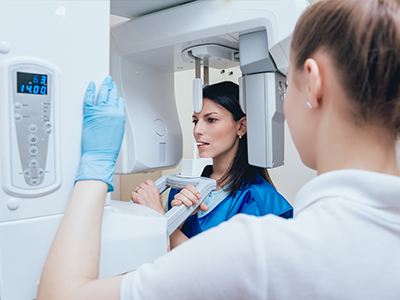
Digital radiography is a modern imaging method that uses electronic sensors and computer processing to produce dental X-ray images. Instead of film, a sensor captures the image and the data is converted into a digital file that can be viewed on a monitor almost instantly. This process preserves detail while enabling quick adjustments to contrast and brightness for clearer visualization.
Because images are available immediately, clinicians can evaluate tooth structure, root health, and surrounding bone in real time. The digital format also makes it easier to compare current images with prior records to monitor changes over time. Patients benefit from a faster, more collaborative visit where findings are explained using the actual images.
Digital radiography replaces chemical film processing with electronic capture and computer-based workflows. The sensor records the image directly as a digital file, eliminating the need for developing solutions and physical film handling. This shift reduces processing time and allows the care team to store and retrieve images without physical storage constraints.
Clinicians can manipulate digital images—zoom, annotate, and adjust contrast—without exposing patients to additional radiation. Digital files are also easier to transmit securely to specialists or other providers, facilitating coordinated care. Overall, the clinical workflow becomes more efficient while maintaining or improving diagnostic quality.
Digital dental X-rays use lower levels of radiation than traditional film radiography while still providing diagnostically useful images. Sensors are more sensitive to X-rays, so clinicians can capture quality images with reduced exposure. Modern practices follow established safety protocols, including appropriate shielding and exposure limits, to protect patients.
Safety considerations are especially important for patients who require periodic imaging, such as those undergoing orthodontic treatment or long-term restorative care. The reduced exposure and faster capture times help minimize cumulative dose without compromising diagnostic information. If you have specific health concerns, your clinician can explain how imaging will be tailored to your needs.
High-resolution digital images offer enhanced contrast and the ability to magnify areas of interest, helping clinicians detect early decay, fractures, and bone changes more reliably. Image-editing tools such as measurement overlays and annotation support precise assessment of root morphology and bone levels. These capabilities lead to more accurate diagnoses and clearer documentation for treatment planning.
In restorative, endodontic, and implant workflows, digital images guide clinical decisions at every stage—from site assessment to postoperative monitoring. Sequential imaging makes it possible to compare changes over time and verify outcomes without repeat exposures when unnecessary. Patients receive clearer explanations of findings, which supports informed decision-making about recommended care.
Yes. One of the practical benefits of digital radiography is that images display almost instantly on a chairside monitor, allowing you and the clinician to review them together. Viewing images in real time helps clinicians explain findings clearly and answer questions while the clinical context is fresh. This visual approach supports a collaborative discussion about treatment options and next steps.
Clinicians can use tools like zoom and annotation to highlight areas of concern and demonstrate why a recommendation is being made. Seeing the images can increase understanding of the condition and the rationale for proposed treatments. If you would like a copy for your records or to share with another provider, the practice can generally accommodate secure transfers.
Digital images are stored electronically in the practice management or imaging system, where they are archived as part of a secure patient record. Electronic storage reduces the risk of lost or damaged films and enables efficient retrieval during future visits. Access controls and standard security measures help protect patient privacy in accordance with professional and regulatory expectations.
When referral or specialist input is needed, digital files can be shared securely through encrypted transfer or direct integration with other providers' systems. Pre-sending images allows specialists to review cases ahead of appointments, which can shorten consultation times and clarify treatment needs. The streamlined transfer process also reduces administrative delays and potential errors associated with physical media.
Digital radiography supports a variety of intraoral images, including bitewings for detecting interproximal decay and periapical images for evaluating individual tooth roots and surrounding bone. Sensors come in multiple sizes and shapes to accommodate different areas of the mouth and clinical needs. Some systems also integrate with extraoral imaging devices for broader views when required.
Depending on clinical indications, the team may capture focused images for a single tooth, series of images to survey the entire mouth, or panoramic and cone-beam datasets when more extensive evaluation is necessary. Each image type serves a specific diagnostic purpose and helps the clinician plan appropriate, evidence-based care. The versatility of digital imaging supports tailored approaches to patient diagnosis and monitoring.
Digital sensors are typically thinner and more flexible than older film packets, which often improves comfort, especially for patients with a strong gag reflex or limited mouth opening. Faster capture times also reduce the duration a sensor must remain in position, minimizing discomfort during the procedure. Careful sensor selection and positioning techniques further enhance the patient experience.
Clinicians can often obtain diagnostic-quality images with fewer retakes because of the ability to adjust image settings electronically rather than repeating exposures. This reliability reduces the need for repeated positioning and contributes to a smoother appointment. Staff training in patient-centered positioning helps ensure both accurate images and a positive experience.
Yes. Digital imaging eliminates the need for chemical developers, fixer solutions, and physical film, reducing hazardous waste and the environmental footprint of imaging operations. Removing these materials from day-to-day practice also simplifies compliance with disposal regulations and decreases the resources required for film processing. Electronic storage reduces physical archive space and streamlines recordkeeping.
Operationally, digital workflows save time by shortening image acquisition and processing steps, which can improve scheduling efficiency and reduce chair time. The ability to instantly share and retrieve images supports coordinated care and minimizes delays associated with physical media. Together, these benefits contribute to a more sustainable and efficient practice.
At Signature Dental Care, digital radiography is integrated into clinical exams to provide precise diagnostic information that informs individualized treatment plans. High-quality images help the team assess bone levels, root anatomy, and the condition of restorations so recommendations are tailored to each patient’s oral health goals. The practice combines imaging data with clinical findings to develop conservative, staged, or comprehensive approaches as appropriate.
Digital records also allow clinicians to monitor progress over time and respond promptly to changes, supporting long-term outcomes and preventive strategies. When coordination with specialists is needed, secure electronic transfers enable informed pre-consultation reviews and more efficient follow-up. Patients in Gilbert, AZ benefit from clearer explanations, documented records, and treatment planning that emphasizes safety and predictability.