5340 S Power Rd, Suite 104
Gilbert, AZ 85295
Gilbert, AZ 85295
New Patients
(602) 357-4738
Existing Patients
(602) 842-6550



At the office of Signature Dental Care in Gilbert, AZ, we take a forward-looking approach to oral health: routine exams are the most effective way to catch small concerns before they become big problems. Regular oral exams combine a careful clinical review with patient-centered education so that every member of your family understands how to protect their smile. Our preventive services include comprehensive exams, professional cleanings, oral cancer screening, and tailored guidance on daily hygiene and nutrition to support lasting oral wellness.
Your first exam is a focused fact-finding visit designed to establish a clear baseline for ongoing care. We begin by reviewing your medical history, current medications, and any dental concerns you bring to the appointment. This conversation helps us identify risk factors that could influence your oral health, from dry mouth and medication side effects to habits like grinding or clenching.
The clinical portion of the exam looks beyond individual teeth to assess the supporting bone, gums, tongue, cheeks, and the joints that control your bite. We evaluate gum health, probe for pockets where gum disease may be developing, and check tooth surfaces for early signs of decay. If you notice sensitivity, soreness, or changes in how your bite feels, we’ll include those observations in our assessment.
Diagnostic imaging is often part of a thorough examination. When needed, we’ll take digital x-rays or other images to view the parts of the tooth and jaw that aren’t visible in a visual inspection. After the exam, we’ll discuss any findings in plain language and outline sensible, evidence-based options so you can make informed decisions about next steps in care.
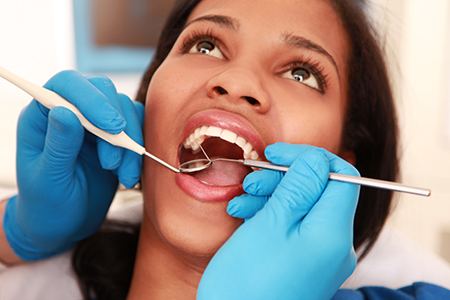
The mouth is a window into overall health. During an oral exam we look for signs that could reflect conditions elsewhere in the body—persistent dry mouth, unusual lesions, rapidly progressing gum disease, and chronic inflammation can all warrant further medical evaluation. Identifying these patterns early gives patients an important opportunity to address systemic issues sooner rather than later.
Research increasingly connects oral health with broader medical concerns. Poor gum health has been associated with cardiovascular conditions and can complicate diabetes management; respiratory infections and other systemic problems also show links to oral bacterial load. While an oral exam does not replace medical diagnosis, it serves as an essential screening moment that can prompt helpful conversations with your physician.
Because so many systemic diseases first manifest in the mouth, your dental exam functions as both preventive care and a component of broader health surveillance. If we observe unusual tissue changes, persistent ulcers, or other worrying signs, we’ll explain what we see and recommend appropriate follow-up, including targeted screenings when necessary.

Daily brushing and flossing form the foundation of good oral health, but even the most diligent patients miss areas where plaque and tartar accumulate. Professional cleanings remove hardened deposits that home care cannot and give our hygienists a chance to evaluate gum tissue in detail. This maintenance prevents disease progression and keeps small problems from becoming larger, more complex treatments.
We encourage routine checkups at intervals tailored to each patient’s risk level; many patients benefit from visits every six months, while others with greater needs may require more frequent monitoring. These visits are also an opportunity for practical education—our team will demonstrate techniques and recommend tools that make home care more effective for your unique mouth.
For children, regular exams are an investment in lifelong oral habits. We monitor tooth eruption, jaw growth, and dental development so that any emerging orthodontic needs are identified early. For adults, preventive visits help maintain restorations, assess wear patterns from grinding, and preserve comfort and function across the lifespan.
Visual inspection is essential, but some dental issues hide beneath the surface. Digital radiography gives us a safe, low-dose way to examine roots, bone levels, and hidden decay between teeth. These images allow earlier detection of cavities and more precise planning for restorative care when it’s needed. Digital systems also let us compare images over time to monitor changes with accuracy.
Using digital technology, we can capture, store, and review images quickly and efficiently. Immediate image availability helps patients see what we see; viewing diagnostics together makes treatment options more understandable and decisions clearer. Digital imaging also minimizes environmental impact by eliminating chemical processing associated with older film methods.
Advanced three-dimensional imaging is available for complex diagnostic needs. Cone-beam CT (CBCT) provides detailed 3D views of tooth roots, jawbone, and surrounding structures when surgical planning or implant placement requires greater precision. We recommend 3D imaging selectively, when the additional information will materially improve treatment planning.
Different imaging techniques give us different kinds of information. Choosing the right image depends on the clinical question at hand—whether we’re checking for decay between teeth, evaluating root structure, or surveying overall dental health. Below are the most frequently used radiographs and what they reveal.
Periapical x-ray - A focused view of a single tooth from crown to root. Periapicals are ideal for assessing root health, detecting abscesses, and examining bone around the tooth.
Bitewing x-ray - Small images that show the crowns of upper and lower teeth together. Bitewings are commonly used to detect interproximal (between-the-tooth) decay and to monitor bone levels adjacent to the teeth.
Full mouth series - A comprehensive collection of periapical and bitewing images that gives a detailed view of every tooth and much of the supporting bone.
Panoramic film (panorex) - A broad, two-dimensional overview of both jaws and all teeth. Panoramic images are useful for assessing impacted teeth, jaw development, and general bone anatomy.
Cephalometric film - A profile view of the skull and jaws often employed in orthodontic assessment and treatment planning.
When greater detail is required for surgical planning, implant evaluation, or complex diagnosis, cone-beam computed tomography (CBCT) produces three-dimensional images that reveal relationships between teeth, nerves, and bone in high detail. Our team recommends advanced imaging only when it will meaningfully improve outcomes and patient safety.
At the office of Signature Dental Care, every oral exam is an opportunity to reinforce preventive habits, detect issues early, and align dental care with your overall health goals. If you have questions about what an exam entails or when you should schedule your next visit, please contact us for more information.

Your initial oral exam at the office of Signature Dental Care in Gilbert, AZ begins with a detailed review of your medical and dental history and a discussion of any concerns or symptoms you have noticed. We ask about medications, medical conditions, and habits such as grinding or tobacco use that can affect oral health, and we document baseline information to guide future care. This intake conversation helps the dentist and hygienist identify risk factors and tailor the clinical exam to your needs.
The clinical portion includes a full-mouth visual inspection and careful evaluation of the gums, teeth, tongue, cheeks, and the joints that control your bite. When appropriate, the team will probe gum pockets, check for early decay, assess restorations, and look for signs of wear or trauma. After collecting findings, the dentist explains what was observed in plain language and outlines evidence-based next steps for prevention or treatment.
Routine exam frequency depends on each patient’s individual risk profile rather than a one-size-fits-all schedule; many patients benefit from visits every six months while others require more or less frequent monitoring. Factors that influence interval include history of gum disease, frequency of decay, systemic health conditions like diabetes, medication-related dry mouth, and lifestyle risks such as tobacco use. Your dental team will recommend an appropriate recall interval based on those findings and adjust it as your oral health changes.
Keeping scheduled exams helps intercept small problems before they require complex treatment and allows the team to reinforce home care strategies that support long-term oral health. Regular recall visits also create an ongoing record that makes it easier to detect subtle changes over time. Sticking to the recommended schedule is one of the most effective ways to preserve teeth and restorations for life.
Digital x-rays and three-dimensional imaging reveal structures that are not visible during a visual exam, such as tooth roots, bone levels, and decay between teeth. These tools use low-dose technology to capture detailed images quickly, enabling earlier detection of problems and more precise treatment planning. Digital systems also allow images to be compared over time so the dentist can monitor changes and evaluate the effectiveness of previous care.
Advanced imaging such as cone-beam computed tomography (CBCT) is reserved for situations where three-dimensional detail will materially improve diagnostic accuracy or surgical planning, for example when assessing implant sites or complex root anatomy. We recommend additional imaging selectively and explain the reason and benefits before proceeding so patients understand how the results will affect care decisions. Using the right image for the clinical question improves outcomes while minimizing unnecessary exposure.
An oral cancer screening is a routine part of a comprehensive exam and consists of a careful visual inspection and palpation of the lips, oral mucosa, tongue, floor of mouth, and neck. The clinician looks for persistent sores, white or red patches, unusual lumps, or tissue changes that do not resolve in a short period. When suspicious findings are identified, the dentist explains the concern, documents the area, and recommends appropriate follow-up such as observation, adjunctive testing, or referral for definitive evaluation.
Early detection of abnormal tissue increases the likelihood of successful treatment, so exams include this screening even for asymptomatic patients. Patients are encouraged to report any persistent oral changes between visits so the team can reassess promptly. Preventive counseling on risk factors, including tobacco and heavy alcohol use, is also provided to reduce future risk.
The mouth often reflects broader systemic conditions, and findings during an oral exam can prompt conversations with your primary care physician or specialists when appropriate. Issues such as rapidly progressing gum disease, persistent dry mouth, unusual oral lesions, and signs of infection can be linked to conditions like diabetes, autoimmune disorders, or nutritional deficiencies. By documenting and communicating these signs, the dental team helps coordinate care that supports both oral and general health.
Research shows connections between oral inflammation and systemic risks such as cardiovascular disease and worsening glucose control in diabetes, so preventive dental care plays a meaningful role in comprehensive wellness. While dental exams do not replace medical evaluation, they serve as an important screening opportunity that may lead to earlier diagnosis and treatment of systemic problems. Your dental provider will explain any concerning findings and recommend next steps for interdisciplinary care when needed.
Before your exam, bring an up-to-date list of medications, recent medical diagnoses, and any letters or reports from other providers that relate to your oral or general health. Share relevant symptoms such as pain, sensitivity, changes in bite, difficulty swallowing, or oral sores, and mention habits like tobacco use, recreational drug use, or high-sugar diets that can affect risk. If you have dental insurance or prior dental imaging, bring that information to help the team access records and streamline diagnosis.
Also tell the dentist about any concerns you have about anxiety, gag reflex, or previous adverse dental experiences so the team can plan for a comfortable visit. If you have specific treatment goals or aesthetic concerns, mention them during the initial conversation so the exam can be focused on outcomes that matter to you. Clear communication before the clinical assessment improves the accuracy of diagnosis and the relevance of recommended care.
Professional cleanings are typically performed by a licensed hygienist and remove plaque and hardened tartar that cannot be eliminated by brushing and flossing alone. During the same visit, the hygienist assesses gum tissue, measures pocket depths when indicated, and documents areas of inflammation or recession that the dentist will review. This combined approach allows the team to treat current inflammatory conditions and identify early disease before it progresses.
Cleanings also provide an opportunity for personalized instruction on home care techniques and preventive tools tailored to your oral anatomy and risk profile. The hygienist can demonstrate flossing methods, recommend interdental cleaners, and suggest toothpaste or mouth rinses when appropriate. Together, the cleanings and exams form the backbone of preventive dentistry aimed at preserving natural teeth and avoiding more invasive procedures.
While the core goals of an oral exam—screening for disease, evaluating growth, and promoting oral hygiene—are the same across ages, pediatric exams include monitoring tooth eruption, jaw development, and habits such as thumb sucking that can affect future alignment. For children, the exam also focuses on preventive measures like fluoride application and sealants when indicated, and on establishing a positive rapport to encourage lifelong dental habits. The dental team adjusts explanations and techniques to match a child’s developmental level and comfort.
For adolescents, exams may include assessment for early orthodontic needs and counseling about sports safety, tobacco avoidance, and dietary habits that influence enamel health. Adults and older patients receive additional attention to restorations, wear from grinding, and changes related to medications or systemic conditions. Customizing the exam by life stage ensures that preventive strategies and interventions are both timely and appropriate.
You should schedule an extra exam whenever you experience new or worsening symptoms such as persistent tooth pain, unexplained swelling, new sores or lumps in your mouth, sudden changes in bite, or difficulty chewing or swallowing. Acute issues like trauma from an injury, signs of infection such as fever with oral pain, or rapid changes in gum health also merit prompt evaluation. Early assessment often reduces the need for complex treatment and helps protect long-term oral health.
Certain medical events may also prompt an interim dental exam, for example before major surgery, cancer therapy, or when starting medications that can affect salivary flow or bleeding tendency. If you are uncertain whether a symptom requires an immediate visit, contacting the office to describe your concern will help the team prioritize care and advise you on the next steps. Timely communication prevents avoidable complications.
After completing the exam and any necessary imaging, the dentist will review findings with you in clear, jargon-free language and prioritize recommendations based on urgency and long-term benefit. The discussion typically covers observed problems, the clinical significance of those findings, available treatment options, and the risks and benefits of each approach. Patients are encouraged to ask questions so they can make informed decisions that align with their health goals and lifestyle.
When treatment is recommended, the team will outline a logical sequence of care and explain what can be achieved through preventive measures, minimally invasive procedures, or more advanced therapies if needed. The dental team also provides practical guidance on home care and strategies to reduce future risk, and they coordinate referrals when interdisciplinary care is in the patient’s best interest. If you prefer, the dentist will summarize key points in written form to help you review options after the visit.