5340 S Power Rd, Suite 104
Gilbert, AZ 85295
Gilbert, AZ 85295
New Patients
(602) 357-4738
Existing Patients
(602) 842-6550



Gum disease is the leading cause of adult tooth loss, and it often develops quietly over many years. According to the Centers for Disease Control and Prevention, nearly half of adults over 30 in the United States show signs of periodontal disease. At the office of Signature Dental Care, we focus on identifying problems early and helping patients preserve the structure and function of their smiles through thoughtful, evidence-based care.
Periodontal disease is an inflammatory condition that affects the periodontium — the tissues that surround and support your teeth, including the gums, connective tissues, and bone. It begins when bacterial plaque builds up along the gumline and beneath the gums. If those bacteria remain, the immune response they trigger can damage the soft tissues and the bone that anchors your teeth.
Because the earliest stages often cause few symptoms, gum disease can progress while you’re unaware. Regular dental exams and professional cleanings are essential to detect pocketing, tartar accumulation, and early tissue changes before irreversible damage occurs. Effective home care combined with professional oversight gives the best chance to stop disease progression.
Recognizing early warning signs helps you seek care promptly. Below are common indicators that should prompt a dental evaluation.
Watch for these potential signs of gum disease:
Gums that appear swollen, tender, or unusually red
Bleeding during brushing, flossing, or eating
Gum recession that exposes more of the tooth or root surface
Increased sensitivity to hot, cold, or sweet foods
Persistent bad breath or an unpleasant taste that won’t go away
Teeth that feel mobile or shifting position
Noticeable gaps forming between adjacent teeth or a changed bite
Partial dentures that no longer fit comfortably or securely
Pus or discharge near the gumline
Discomfort or pain when biting or chewing
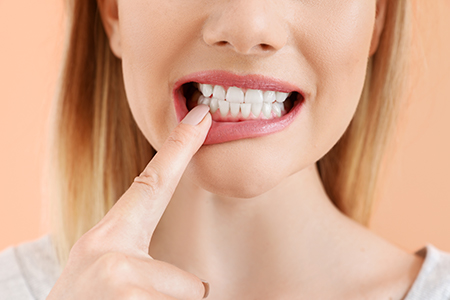
Oral health does more than preserve a confident smile — it contributes to systemic health. Research has linked periodontal inflammation with a range of medical conditions such as cardiovascular disease, diabetes complications, and certain respiratory problems. While the relationship between gum disease and general health is complex, maintaining periodontal health is an important component of overall prevention.
Prevention begins with routine professional care and consistent home hygiene. Cleanings remove hardened deposits that brushing alone can’t reach, while periodic evaluations let your dental team monitor pocket depths, gum attachment levels, and bone health. Together, these steps help reduce inflammation and the bacterial load that can influence both oral and systemic wellbeing.
At Signature Dental Care, we emphasize early detection and practical strategies that patients can follow at home. By pairing clinical interventions with personalized hygiene coaching, the practice supports long-term tissue stability and a healthier mouth that complements your general health.
Gingivitis is the initial, reversible phase of gum disease. It is characterized by inflammation of the gum tissues without loss of the supporting bone. Typical signs include redness, swelling, and bleeding during routine cleaning — symptoms that can often be resolved with more effective plaque control and professional cleanings.
When gingivitis is identified, a targeted treatment plan usually focuses on removing plaque and tartar from above and below the gumline, improving the patient’s home care routines, and scheduling more frequent maintenance visits. Because the tissues are not yet permanently damaged, consistent attention at this stage can restore healthy gum attachment.
Local antimicrobial agents and brief courses of medication may be used selectively to reduce bacterial quantities during treatment, but the core of care is mechanical removal of deposits and correction of behaviors that promote plaque buildup. Timely intervention is the simplest and most predictable way to preserve long-term dental health.

If left untreated, gingivitis can progress to periodontitis, a stage where inflammation leads to loss of connective tissue and supporting bone. As these structures deteriorate, periodontal pockets deepen and the stability of the tooth is compromised. Over time, this process can cause changing tooth positions, tenderness, and eventually tooth loss if not properly addressed.
The goal of treatment at this stage is to halt destructive inflammation, reduce pocket depth, and, where possible, regenerate or stabilize lost tissues. That often requires a combination of careful cleaning, targeted therapies to control bacterial populations, and—in more advanced cases—surgical approaches to access and repair affected areas.
Modern periodontal care emphasizes preserving natural teeth when possible and creating a foundation that supports restorative options, such as dental implants, when tooth replacement is necessary. A collaborative approach between patient and provider maximizes the chance of restoring functional, comfortable oral health.
Planning periodontal care begins with a comprehensive assessment: charting pocket depths, evaluating bone levels, reviewing medical history, and considering factors such as tobacco use or systemic illnesses that may influence healing. From there, treatment is customized to the disease severity and the patient’s goals.
After initial therapy and stabilization, ongoing maintenance is essential. Regular periodontal maintenance visits allow clinicians to remove recurring deposits, monitor tissue response, and catch any signs of recurrence early. A structured maintenance program is one of the most reliable ways to protect long-term oral health after active treatment.

In many cases, periodontal disease can be controlled without surgery. Scaling and root planing—thorough cleaning below the gumline—removes plaque and calculus that fuel inflammation. Smoothing the root surfaces helps the gum tissue reattach and makes it harder for bacteria to recolonize.
Adjunctive therapies such as localized antimicrobial applications or systemic medications may be recommended in select situations to reduce the bacterial burden and support healing. These approaches are chosen carefully to target the underlying infection while minimizing unnecessary treatment.
Successful non-surgical care also depends on patient participation: improved brushing and interdental cleaning, smoking cessation when relevant, and adherence to follow-up schedules greatly increase the likelihood of maintaining health without surgery.
When pockets are deep or bone loss is significant, surgical approaches help access and clean root surfaces and reshape the supporting tissues for better long-term maintenance. Procedures such as flap surgery can reduce pocket depth, permit more thorough debridement, and enable reshaping of bony defects.
Regenerative techniques—using bone grafts, barrier membranes, or biologic agents—may be employed to encourage the body to rebuild lost bone and attachment in carefully selected cases. These therapies aim to restore function and improve the prognosis of threatened teeth.
Contemporary periodontal care also integrates technology such as lasers in appropriate situations. When used judiciously, laser therapy can assist with pocket reduction, manage peri-implant inflammation, and refine the appearance of gum contours for improved comfort and aesthetics.
Keeping your gums healthy is an ongoing partnership between you and your dental team. If you have concerns about bleeding gums, loose teeth, or persistent bad breath, contact us to learn more about how we evaluate and treat periodontal conditions. Our goal is to help you maintain a healthy, comfortable, and long-lasting smile.

Most people don’t realize that periodontal disease is the leading cause of tooth loss among adults. According to statistics from the Centers for Disease Control and Prevention, one out of every two adults over the age of 30 in the United States has periodontal disease.
You may be surprised to learn that the human mouth is home to a wide variety of microbes. The fact is that over 700 different strains of bacteria have been detected in the oral cavity. Although some of these bacteria are beneficial, others are harmful to oral health. Without proper oral hygiene and routine dental care, these harmful bacteria can cause tooth decay and gum disease, compromising both your oral health and overall wellbeing.
In addition to inadequate oral hygiene and infrequent professional care, other factors, including smoking, genetic tendencies, and unchecked diabetes, can contribute to the escalation of periodontal disease.
Your gums and teeth have an interdependent relationship, which means healthy teeth depend on the support of healthy gums. Also, taking care of your smile does more than keep your teeth and gums in optimal condition; good oral health also supports systemic health. In addition to being the leading cause of tooth loss in adults, researchers are finding more and more links between periodontal disease and a number of medical problems, including heart disease, stroke, diabetes, respiratory problems, and adverse pregnancy outcomes such as pre-term and low birth-weight babies.
If you notice that your gums are bleeding with the slightest pressure while brushing or flossing, it’s a sign of gingivitis. Although gingivitis is the earliest stage of gum disease, it can easily be reversed with deeper cleanings as well as an improved regimen of oral hygiene at home.
In the absence of professional treatment and better home care, gingivitis progresses to the next stage, which is known as periodontitis. In this stage, the connective tissue and bone that hold the teeth in place begin to break down with an increase in pocketing between the teeth and bone, gum recession, and bone loss. Without proper treatment by your dentist, periodontitis will progress from a mild to moderate loss of supporting tissue to the destruction of the bone around the teeth.
Although gingivitis can often be reversed with improved oral hygiene and professional cleanings, as periodontal disease advances, more extensive procedures are required to halt its progression. Based on a complete assessment of your periodontal health and a review of possible contributing factors, our office will recommend the best options in care. Treatment for periodontitis may include a series of deeper cleanings known as root planing and scaling, surgical procedures to reduce pocket depth, bone or tissue grafts, laser procedures, or antimicrobial medications.
The cost of care depends on the type of procedures required to restore your periodontal health. If you have dental insurance, plans often cover treatment to prevent gum disease as well as many procedures to treat the various stages of gum disease. Our goal is to help patients restore and maintain good oral health. We do all we can to help you begin care without additional stress or delay. Our business office works with you to maximize your benefits and provide easier, more convenient payment options.
By seeing our office regularly for care and doing your best to eat a healthy diet and practice good oral hygiene, you can keep your smile in tip-top shape as well as protect your overall wellbeing.
At the office of Signature Dental Care, we provide a comprehensive range of services to address all your oral healthcare needs. You can rest assured that your smile is in the best of hands at our office. Our skilled and experienced team maintains a position at the forefront of advances in care and remains dedicated to providing the highest quality of skilled and compassionate treatment.
Periodontal disease begins when bacterial plaque accumulates along the gumline and beneath the gums, provoking an inflammatory response in the periodontium. Over time, hardened deposits called calculus form and create a reservoir for bacteria that is difficult to remove with home care alone. Individual risk factors such as tobacco use, uncontrolled diabetes, genetic susceptibility and certain medications can increase the likelihood and severity of disease.
Because early stages can be largely symptom-free, the condition often progresses quietly until pockets deepen or bone is affected. Regular professional exams and cleanings are essential to identify and treat disease before irreversible damage occurs. A combined approach of clinical care and improved home hygiene reduces bacterial load and helps control inflammation.
Common early signs include gums that bleed during brushing or flossing, redness or swelling of the gum tissues, and persistent bad breath or an unpleasant taste. Some people notice increased tooth sensitivity or minor changes in how teeth fit together when biting. These symptoms often appear intermittently at first but may become more constant as disease progresses.
If you observe any of these warning signs, a dental evaluation can confirm whether gingivitis or more advanced disease is present. Early detection typically allows for less invasive, more predictable treatment. Prompt attention helps prevent pocketing, bone loss, and the need for complex restorative care later on.
Gingivitis is the initial, reversible stage of gum disease and is characterized by inflammation of the gum tissue without loss of the supporting bone. Symptoms usually include redness, swelling and bleeding, and gingivitis often responds well to improved oral hygiene and professional cleanings. Because the attachment apparatus is intact, the tissues can recover fully when plaque and calculus are removed.
Periodontitis develops when inflammation advances and leads to destruction of connective tissue and alveolar bone that support the teeth. This stage is marked by deepened periodontal pockets, tissue recession and, in some cases, tooth mobility. Treatment for periodontitis focuses on halting tissue destruction, reducing pocket depth and, where appropriate, restoring or stabilizing lost structures.
Non-surgical care typically begins with scaling and root planing, a thorough mechanical cleaning of the crown and root surfaces to remove plaque and calculus below the gumline. Smoothing the root surfaces helps the gum tissue reattach and reduces sites where bacteria can recolonize. In selected cases, adjunctive therapies such as localized antimicrobial applications or short courses of medication are used to lower bacterial levels and support healing.
Success with non-surgical treatment also depends heavily on patient participation, including daily brushing, effective interdental cleaning and elimination of risk behaviors like smoking. The dental team will often recommend a customized home-care routine and more frequent maintenance visits to monitor response. Many patients achieve long-term stability with this conservative approach when combined with regular professional oversight.
Surgical intervention is considered when pockets remain deep after initial therapy or when bone loss and anatomic defects make non-surgical care insufficient for long-term maintenance. Procedures such as flap surgery provide better access to root surfaces for thorough debridement and may reshape the supporting bone to create a more maintainable environment. Surgery can also reduce pocket depths and improve the ability to control infection through routine hygiene.
Regenerative techniques, including bone grafts, barrier membranes and biologic agents, may be used in carefully selected cases to encourage the body to rebuild lost bone and attachment. The decision to pursue regeneration depends on defect type, overall prognosis and patient factors such as health status and oral hygiene. Contemporary treatment planning balances expectations with realistic outcomes and aims to preserve natural dentition whenever possible.
Research has demonstrated associations between periodontal inflammation and several systemic conditions, including cardiovascular disease, complications of diabetes and certain respiratory illnesses. The relationship is complex and bidirectional in some cases, as systemic disease can influence periodontal healing while chronic oral inflammation may contribute to systemic inflammatory burdens. Controlling periodontal infection and inflammation is therefore an important component of overall health management.
When systemic conditions are present, coordination between dental and medical providers helps optimize outcomes for both oral and general health. Managing risk factors such as smoking and poor glycemic control improves periodontal treatment response. Regular dental care and prompt treatment of periodontal inflammation can reduce bacterial load and support systemic wellbeing.
Periodontal maintenance is an ongoing program of professional cleanings, monitoring and reinforcement of home care that follows active treatment for gum disease. These visits are designed to remove recurring deposits, reassess pocket depths and attachment levels, and detect any early signs of disease recurrence. Maintenance appointments are typically scheduled at intervals based on disease severity and how well tissues respond to therapy.
Consistent maintenance is one of the most reliable ways to protect long-term oral health after active treatment, as it limits re-accumulation of harmful biofilm and allows timely intervention if conditions change. Patients who adhere to a structured maintenance plan generally enjoy more stable tissues and a lower risk of future tooth loss. The dental team will tailor maintenance frequency and procedures to each patient’s needs.
Effective home care is foundational: brush twice daily with a fluoride toothpaste, clean between teeth daily with floss or interdental cleaners, and use antimicrobial rinses when recommended. Tobacco cessation substantially improves periodontal treatment outcomes and reduces the risk of progression, so quitting smoking is strongly advised. Nutritional support, adequate sleep and stress management also influence immune response and healing.
Controlling systemic conditions such as diabetes and following medication guidance from your medical providers supports periodontal health. Regular dental visits for preventive care and early intervention remain critical, and any changes in symptoms should prompt an evaluation. Adopting healthier habits enhances the effectiveness of clinical therapy and helps preserve natural teeth over time.
An initial periodontal evaluation typically includes a review of medical history, measurement of pocket depths around each tooth, assessment of gum attachment and mobility, and radiographic review to evaluate bone levels. The clinician also looks for tartar accumulation, signs of active infection such as pus or deep inflammation, and factors that might influence healing like medications or tobacco use. This comprehensive assessment establishes disease severity and guides treatment planning.
Following the exam, the team discusses a personalized treatment approach that may begin with conservative therapies and progress to surgical options if needed. The plan considers patient goals, overall prognosis and evidence-based strategies to control infection and preserve function. When appropriate, the practice coordinates referrals to specialists to ensure comprehensive care.
Treatment usually begins with a focused course of non-surgical therapy such as scaling and root planing under local anesthesia to remove subgingival deposits and reduce inflammation. Adjunctive measures, including localized antimicrobials or brief systemic medication, may be used selectively to support healing; the team will explain the rationale for any additional therapies. Patients can expect staged appointments and clear instructions for post-procedure care to promote optimal recovery.
After an initial healing interval, the clinician reevaluates tissue response and determines whether further therapy or surgical intervention is necessary. Long-term success depends on a partnership between clinician and patient, with ongoing maintenance visits and individualized home care. The practice focuses on preserving natural teeth when possible and preparing a stable foundation for any restorative needs that may follow.