5340 S Power Rd, Suite 104
Gilbert, AZ 85295
Gilbert, AZ 85295
New Patients
(602) 357-4738
Existing Patients
(602) 842-6550



Dental appointments can trigger nervousness for many people; in fact, a significant portion of adults report some level of anxiety when visiting the dentist. At the office of Signature Dental Care, we approach that anxiety with practical solutions and sincere empathy. Sedation dentistry is one of the most effective tools we use to reduce fear, making it possible for patients to receive necessary treatment without the emotional burden that often accompanies dental visits.
Sedation dentistry is not about putting someone to sleep for every appointment — it’s about matching the level of relaxation to the needs of the patient and the procedure. Our goal is straightforward: provide comfortable, safe care so people who might otherwise avoid the dentist can get the treatment they need. We combine evidence-based sedation techniques with attentive monitoring to support both safety and comfort.
When anxiety no longer dictates whether someone seeks care, oral health improves and complex treatment becomes accessible. Throughout the process, we prioritize clear communication, answering questions and setting expectations so each visit feels manageable and reassuring rather than intimidating.
Sedation helps patients move past the emotional and physical discomfort that can make dental visits difficult. Rather than replacing local anesthetic — which numbs the treatment area — sedation complements it by reducing nervousness and heightening overall tolerance for care. For many people, this combination creates a far more tolerable and productive experience.
Sedation techniques vary from mild relaxation to deeper calming states, but in every case the intent is the same: reduce stress, allow the dentist to work efficiently, and help the patient remain comfortable. Patients often describe the sensation as profoundly relaxed; some have little memory of the procedure, while others remember the appointment but feel no fear or distress.
Choosing sedation is a personalized decision. During an initial consultation we review medical history, discuss prior experiences, and recommend the appropriate method. Our approach balances patient preference, dental needs, and safety, ensuring each plan is tailored and clearly explained before care begins.
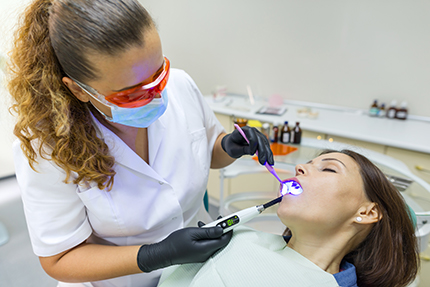
People choose sedation for many sensible reasons. For some, a deep-seated dental phobia interferes with routine care — sedation can be the bridge that keeps a patient’s mouth healthy without triggering overwhelming fear. For others, a single complex appointment is easier to tolerate under sedation than repeated visits.
Sedation also helps patients who experience intense reflexes, sensitive teeth, or difficulty sitting for extended periods. In these scenarios, calming the nervous system makes procedures safer and more efficient, and patients typically recover with less emotional exhaustion than they would after a highly stressful visit.
Additionally, sedation can streamline care for people with special needs, certain medical conditions, or cognitive challenges that make cooperative dental treatment difficult. By reducing involuntary reactions and distress, sedation enables the clinical team to deliver needed treatment in a controlled, humane way.
Improving access to care — Sedation can turn avoidance into action for those who have delayed treatment because of anxiety.
Managing procedural stress — For lengthy or involved procedures, sedation keeps patients comfortable and helps appointments run smoothly.
Protecting the patient experience — From gag reflexes to sensitivity, sedation minimizes disruptive responses so clinicians can focus on quality care.
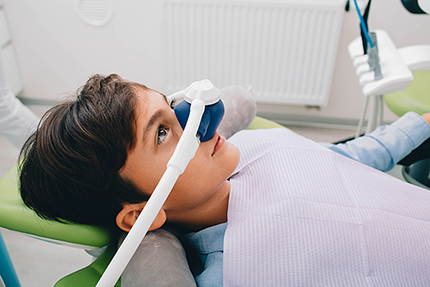
Not every patient needs the same level of sedation, and selecting the right method begins with a careful health review and an open conversation about goals and concerns. We evaluate medical history, current medications, anxiety level, and the scope of the dental work to recommend an appropriate and safe option.
Two broad categories are important to understand: lighter, office-based conscious sedation and deep sedation or general anesthesia used in a hospital setting. Conscious sedation keeps the patient relaxed and often only partially aware, while general anesthesia renders a patient unconscious and is reserved for cases requiring hospital oversight.
When conscious sedation is appropriate, it can be delivered in several forms. Each option has pros and cons — speed of onset, level of responsiveness, and recovery time differ — and we explain these differences so you can make an informed choice with your dental team.
Conscious forms of sedation allow patients to breathe on their own and respond to verbal cues, while general anesthesia produces a deeper unconscious state that typically requires an operating room and an anesthesiologist. For most routine and many surgical dental procedures performed in the office, conscious sedation provides a safer, more practical balance of comfort and control.
Inhaled nitrous oxide (often called “laughing gas”) is a mild, rapidly reversible sedative that reduces anxiety and can be adjusted during treatment. Because its effects dissipate quickly after the gas is stopped, many patients return to regular activities soon after their appointment.
Oral sedation involves prescribed medications taken before a visit to induce deeper relaxation. It is effective for moderate anxiety but typically requires someone to escort the patient to and from the office. Intravenous (IV) sedation offers quick onset and precise control over the depth of sedation, making it useful for longer or more complex procedures; IV sedation also requires specific preparation and post-procedure supervision.
Safe, successful sedation starts with good preparation. We provide clear, individualized instructions on fasting, medication adjustments, and arrival times so patients know what to expect on the day of treatment. Following these guidelines reduces the risk of complications and contributes to a smoother experience.
Post-procedure care focuses on comfort and monitoring. Depending on the sedation used, patients may need someone to accompany them home and help for a few hours. We review recovery tips, possible side effects, and signs that warrant a follow-up call, ensuring families feel supported as they return to their routine.
Our team emphasizes transparency and follow-through: pre-appointment planning, in-office monitoring during sedation, and a clear aftercare plan. This comprehensive approach helps keep sedation safe and effective, so patients can access the dental care they need with confidence.
Whether you’re coping with longstanding dental fear, preparing for an involved procedure, or seeking a calmer way to maintain oral health, sedation dentistry can be an empowering option. If you’d like to learn more about how sedation might make your next dental visit easier, please contact us for more information.
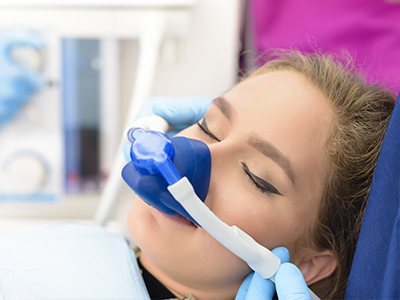
Sedation dentistry offers patients with general anxiety or fears about a dental procedure the opportunity to have a more comfortable and stress-free experience. By utilizing safe and controlled sedation techniques, the patient is eased into a state of complete relaxation before the procedure. This approach eliminates discomfort, pain, and preoperative anxiety, and typically makes patients feel more at ease post-operatively, as they have little or no memory of the actual moment-to-moment procedure.
Local anesthesia involves an injection directly into or close to the area where a procedure is being performed. While it eliminates any sensation of pain in the targeted area, it does not affect your state of mind or level of anxiety. When a patient receives sedation, additional medications to ease anxiety and promote relaxation are employed in advance of local anesthesia. In this way, both the stress and discomfort associated with a procedure are eliminated. Sedation can be administered in a variety of forms based upon patient needs and the recommendations of the dentist or dental anesthesiologist.
Choosing the most appropriate method of sedation for a procedure depends on a variety of factors such as a patient's medical history and their level of anxiety. Dental sedation can come in the form of nitrous oxide sedation, oral conscious sedation, and IV sedation. Certain patients receiving comprehensive treatment or undergoing a complex surgical procedure may require general anesthesia in a hospital setting.
Nitrous oxide, or "laughing gas," is a mild sedative, which is inhaled through a small mask over the nose. A standard in dental sedation for decades, the effects of nitrous oxide are almost immediate and wear off quickly once your procedure is completed.
Oral sedation involves the prescription of an oral medication prior to your appointment. Taken at the recommended time before your visit, oral sedation allows you to feel fully relaxed by the time you're ready for your procedure. With oral sedation, it's necessary to plan on having an escort to and from your dentist's office.
IV Sedation is administered intravenously, or directly into a vein. It is typically indicated when a deeper state of sedation is required. Your dentist will provide you with specific instructions before your visit, and require that you have an escort for the trip home from your appointment.
Sedation dentistry refers to a range of techniques used to help patients relax during dental care. These techniques complement local anesthetic, which numbs the treatment area, by reducing anxiety, gag reflexes, and procedural stress. Sedation can produce anything from a light sense of calm to a deeper state of reduced awareness depending on the chosen method.
The goal of sedation is to make dental treatment more comfortable and accessible so patients who are fearful or sensitive can receive necessary care. Sedation does not always mean full unconsciousness; many office-based options allow patients to breathe on their own and respond to simple cues. Decisions about sedation are individualized based on patient needs and the planned procedure.
Candidates include adults with significant dental anxiety, patients with strong gag reflexes, and people who have trouble sitting through longer procedures. Sedation may also be recommended for individuals with special needs, certain medical conditions that make cooperation difficult, or those undergoing complex or multiple treatments in a single visit. A thorough medical history and consultation help determine eligibility and the safest approach.
Not every patient requires sedation, and suitability depends on health status, medications, and the extent of dental work. During the consultation we review past experiences with sedation, current medications, and any chronic conditions to develop a safe plan. The clinician and patient then choose a level of sedation that balances comfort with safety.
Common office-based sedation options include inhaled nitrous oxide, oral sedatives, and intravenous (IV) sedation. Nitrous oxide provides rapid, adjustable relaxation and wears off quickly, making it useful for mild to moderate anxiety. Oral sedatives are taken before the appointment to induce deeper relaxation and often require a companion to drive the patient home.
IV sedation provides fast onset and precise control over sedation depth, which is helpful for longer or more complex procedures, and it requires monitoring and post-procedure supervision. General anesthesia, which renders a patient fully unconscious, is reserved for hospital settings or cases that require an anesthesiologist. Your dental team will explain the pros and cons of each option and recommend what fits your situation best.
Safety is a primary concern when providing sedation, and monitoring is tailored to the level of sedation used. For conscious sedation, the clinical team continuously monitors breathing, oxygen levels, heart rate, and blood pressure to make sure the patient remains stable throughout the procedure. Staff are trained in airway management and emergency protocols, and appropriate oxygen and reversal agents are kept on hand.
Before recommending sedation, clinicians review medical history, current medications, and any conditions that could affect safety, such as respiratory or cardiac issues. Clear pre-appointment instructions are provided to reduce risks, and patients are observed during recovery until they meet criteria for safe discharge. This layered approach helps maintain a controlled, reassuring environment for care.
Choosing the appropriate method begins with a detailed consultation that covers medical history, anxiety level, prior reactions to sedatives, and the planned dental procedures. Clinicians weigh factors like procedure length, invasiveness, and how quickly the patient needs to recover when recommending nitrous oxide, oral medication, or IV sedation. Patient preference is also considered, and clinicians explain expectations, benefits, and limitations of each option.
The selection process emphasizes personalized care so the sedation level matches both comfort goals and safety requirements. For complex cases or patients with significant medical concerns, coordination with a physician or anesthesiologist may be recommended. This collaborative decision-making ensures patients can make informed choices about their treatment.
Preparation depends on the type of sedation planned, but common instructions include fasting for a specified period, avoiding certain medications or supplements, and arranging for a responsible adult to drive you home if needed. You should provide a complete list of current medications and medical conditions during the pre-appointment review so the team can identify potential interactions or risks. Clear instructions on arrival time and what to bring help the visit run smoothly.
Patients should wear comfortable clothing and avoid alcohol or recreational drugs before the appointment, and follow any specific guidelines given by the dental team. If you have sleep apnea, heart disease, or other significant health concerns, notify the office in advance so the care plan can be adjusted. Following preparatory instructions reduces the risk of complications and contributes to a smoother recovery.
During conscious sedation you will generally feel relaxed and may have limited or fuzzy memory of the procedure, while still being able to respond to verbal cues. Vital signs are monitored throughout, and local anesthetic is used to prevent pain at the treatment site. The dental team will provide reassurance and adjust the level of sedation as needed to maintain comfort and safety.
After the procedure, recovery time varies by sedation type; nitrous oxide wears off quickly, oral sedatives may cause drowsiness for several hours, and IV sedation can require longer observation. Patients are monitored until they meet discharge criteria and are given aftercare instructions and warning signs to watch for. A companion should be available to assist the patient home and help for the remainder of the day if deeper forms of sedation were used.
Mild side effects can include drowsiness, dry mouth, nausea, or temporary dizziness, and these symptoms typically resolve within hours after treatment. More significant risks are uncommon in healthy patients when sedation is administered and monitored properly, but they can include respiratory depression, allergic reactions, or medication interactions in susceptible individuals. Thorough pre-procedure screening and vigilant monitoring help minimize these risks.
Patients should report all medications, supplements, and health conditions to the dental team so potential interactions can be identified and managed. For those with complex medical histories, the team may coordinate with the patient’s physician or recommend alternative approaches. Open communication and adherence to preparation instructions are key to reducing complications.
Yes, many children and patients with special needs can receive appropriate forms of sedation in a dental office, but suitability depends on age, development, medical history, and behavioral goals. Nitrous oxide is commonly used in pediatric patients for mild to moderate anxiety because it is fast-acting and reversible, while oral or IV sedation may be considered for more significant anxiety or longer procedures under careful supervision. The dental team tailors the approach and discusses risks, benefits, and required supervision with caregivers.
For some patients with complex medical conditions or severe behavioral challenges, hospital-based sedation or general anesthesia may be safer and more appropriate. The decision is made collaboratively with caregivers and, when needed, other medical professionals to ensure the safest possible environment. Documentation and clear aftercare instructions help families support a smooth recovery.
Sedation dentistry helps patients tolerate longer or more invasive procedures by reducing anxiety, minimizing movement, and allowing the clinician to work more efficiently. For treatments like dental implants or root canals, which can require extended chair time, appropriate sedation makes the experience less stressful and often allows multiple steps to be completed in fewer visits. Combining sedation with local anesthesia ensures both comfort and effective pain control during the procedure.
By improving patient cooperation and reducing involuntary reactions such as gagging, sedation can enhance the precision and safety of complex dental work. Your dental team will explain how sedation can be integrated into the treatment plan and what to expect before, during, and after the procedure. If you have questions about how sedation could apply to a specific treatment, the office of Signature Dental Care can discuss options during a consultation.