5340 S Power Rd, Suite 104
Gilbert, AZ 85295
Gilbert, AZ 85295
New Patients
(602) 357-4738
Existing Patients
(602) 842-6550



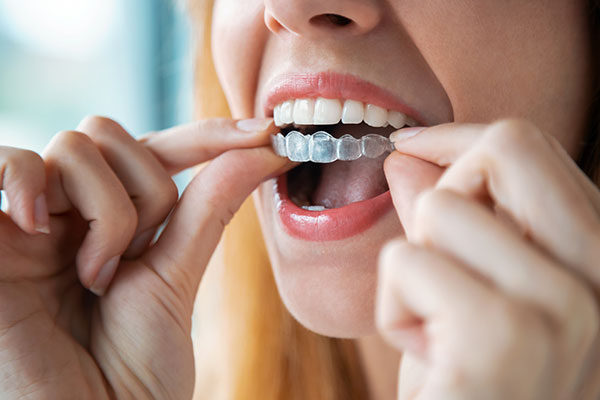
Modern orthodontic care has changed a great deal in recent years. With advanced digital imaging and custom-fabricated aligners, patients can achieve meaningful tooth movement with a low-profile, discreet approach. SureSmile® uses computer-guided planning and a series of clear, removable aligners to address a wide range of alignment issues — from minor cosmetic tweaks to more comprehensive corrections — while minimizing the visual and practical interruptions that come with traditional braces.
One of the most attractive features of SureSmile® is its subtle appearance. The aligners are made from transparent, form-fitting material that rests snugly over the teeth, so they are much less noticeable than metal brackets and wires. For adults and teens who want orthodontic improvement without drawing attention to their treatment, this makes SureSmile® a sensible option. The low-profile design also reduces the chance of soft tissue irritation that can occur with conventional appliances.
Because the aligners are removable, patients can maintain normal routines for eating, speaking, and social events without major adjustments. Rather than working around fixed hardware, you simply remove the aligners for short windows — typically when eating or cleaning — then replace them according to your treatment plan. This flexibility often makes it easier to stick to daily life and long-term oral hygiene habits during treatment.
The cosmetics of treatment are just part of the picture. The clear aligner approach also appeals to people who value a predictable, staged process: each aligner represents a small, planned step toward the final position of the teeth. That predictability helps patients stay motivated as they see incremental progress and understand how each phase contributes to the outcome.
SureSmile® relies on precise digital records to create an individualized treatment roadmap. High-resolution scans of your teeth are used to build a virtual model that the clinical team manipulates to determine ideal tooth movement. These digital setups enable clinicians to visualize the sequence of adjustments and to anticipate how each tooth will respond through the series of aligners. The result is a treatment plan that emphasizes controlled, safe, and efficient movement.
Digital planning also creates an opportunity for more transparent communication between provider and patient. You can see a simulated progression of how your smile may change, which helps set realistic expectations and fosters a collaborative approach to care. When a plan needs fine-tuning, the digital workflow makes adjustments easier to implement than with traditional approaches that rely solely on in-office repositioning.
Because the manufacturing of each aligner is linked directly to the digital plan, the fabrication process supports consistent quality from step to step. This integration of imaging, planning, and production is a core reason many clinicians recommend SureSmile® when they want a data-driven path to orthodontic change that balances efficiency with attention to biological limitations.
Comfort is a common concern for people considering tooth movement. SureSmile® aligners are designed to minimize pressure and reduce the incidence of sharp edges that can irritate lips and cheeks. Although some mild sensitivity or soreness may be expected as teeth adjust, most patients find aligner-based treatment to be gentler overall compared with the soreness and occasional hardware repairs associated with traditional braces.
From a day-to-day standpoint, aligners simplify oral care. Because they are removed for brushing and flossing, patients can maintain their usual hygiene routines without having to work around brackets or wires. This accessibility can lower the risk of staining and plaque buildup during treatment and supports better long-term periodontal health as the teeth move.
The convenience extends to eating and social activities: there are no dietary restrictions tied to the aligners themselves. Patients are encouraged to remove the trays at mealtimes and follow good oral hygiene afterward, which preserves both aligner fit and overall oral health. For many, this practical flexibility helps the treatment feel less disruptive to life.
SureSmile® can address a broad spectrum of alignment concerns, but candidacy depends on the specifics of each case. Mild to moderate crowding, spacing, and many bite irregularities are often well-suited to aligner therapy. More complex skeletal issues or cases requiring significant vertical changes may still need traditional orthodontics or a combined approach. A thorough clinical evaluation, including digital imaging and a review of dental history, determines the best path forward.
During the initial assessment, clinicians evaluate tooth position, bite relationships, and periodontal health to confirm that aligner therapy is appropriate. Good oral hygiene and healthy gums are essential prerequisites; aligners are designed to move teeth efficiently, but they work best when the surrounding tissues are healthy. This assessment helps establish realistic goals and a timeline tailored to the patient’s needs.
For patients who are candidates, an individualized schedule of aligner changes is prescribed, and progress is monitored periodically. Some cases may incorporate attachments or minor interproximal reduction to optimize movement. The aim is to achieve a stable, functional, and aesthetically pleasing result without compromising oral health.
Moving teeth is only one part of the journey; maintaining that new position is the next, and it requires planning. Once active aligner therapy concludes, most patients transition to a retention phase to preserve the result. Retainers — often clear, removable trays similar to aligners — help the surrounding tissues adapt to the teeth’s new positions and reduce the chance of relapse over time.
Retention protocols vary depending on the extent of movement and patient-specific factors. Some people wear retainers full-time for a short period before moving to nighttime-only wear; others may have a more conservative plan. The clinical team will recommend a retention strategy that balances convenience with the level of protection needed to sustain the outcome.
Long-term success also relies on routine dental visits and a commitment to oral hygiene. Regular monitoring allows the team to spot any small changes early and intervene if necessary. With a sensible retention plan and ongoing care, patients can enjoy the benefits of a straighter, healthier smile for years to come.
At Signature Dental Care, we combine modern technology with patient-focused care to make orthodontic improvements comfortable, predictable, and practical. If you’re curious whether SureSmile® could be the right approach for your smile, please contact us for more information and to schedule an evaluation.
SureSmile® is a clear aligner system that uses a series of custom-made, removable trays to guide teeth into their desired positions. Each aligner is fabricated from a digital treatment plan and fits snugly over the teeth to apply gentle, staged forces that move teeth incrementally. The system emphasizes precise, computer-guided planning so each successive tray advances the overall correction in a predictable sequence.
The workflow begins with high-resolution digital scans of the teeth that are used to create a virtual model and an individualized movement roadmap. That digital plan is translated directly into the manufacturing of each aligner, which helps preserve the intended sequence and fit. Patients wear each aligner according to their prescribed schedule and visit the clinician periodically to monitor progress and make any necessary adjustments.
Digital planning lets clinicians visualize tooth movements in three dimensions and simulate the full course of treatment before fabrication begins. This virtual setup enables the care team to anticipate challenges, sequence movements for biological efficiency, and make adjustments on-screen rather than by trial and error in the mouth. The result is a more data-driven approach that supports controlled, staged tooth movement.
Because the clinical plan is linked directly to the aligner production workflow, each tray is produced to match the intended position for that stage of treatment. This integration reduces variability between planned and actual movements and facilitates clearer communication with patients about expected progress. If modifications are needed, the digital files can be updated and new aligners produced without extensive in-office rework.
SureSmile® is well-suited for many adults and teens with mild to moderate crowding, spacing, or bite irregularities that can be corrected with aligner therapy. Good candidates typically have healthy gums, adequate periodontal support, and realistic expectations about compliance with wearing removable trays. Complex skeletal discrepancies or severe vertical changes may still require traditional orthodontics or a combined approach.
The candidacy assessment includes a clinical exam, digital scans, and a review of dental and medical history to determine whether aligners alone can achieve the desired outcome. When indicated, adjunctive measures such as attachments or limited interproximal reduction may be planned to optimize tooth movement. The evaluation helps establish a personalized timeline and clarifies whether SureSmile® is the most appropriate option for the patient’s goals.
During the first visit the clinician obtains a detailed assessment that typically includes digital scans, photographs, and bite analysis to document tooth positions and periodontal health. The clinical team reviews the patient’s concerns, explains the digital treatment workflow, and discusses anticipated outcomes and any adjunctive procedures that might be needed. This information is used to create a virtual treatment setup that illustrates the planned sequence of movements.
The consultation also covers practical expectations such as daily wear time, aligner care, and the monitoring schedule so patients understand their role in treatment success. The clinician will identify any preparatory needs, like restorative or periodontal work, that should be addressed before aligner therapy begins. At Signature Dental Care the goal is to provide clear, patient-focused guidance so the treatment plan aligns with each person’s oral health and lifestyle.
Most patients find SureSmile® aligners to be more comfortable than conventional braces because the trays are smooth, low-profile, and lack protruding wires or brackets. Some mild soreness or pressure is normal for a few days after switching to a new aligner as teeth begin to move, but this discomfort is generally shorter in duration and less severe than the soreness sometimes associated with orthodontic adjustments. The absence of metal components also reduces the risk of soft tissue irritation.
The removable nature of aligners contributes to comfort during eating and social activities since trays can be taken out for short periods. Patients who experience persistent or unusual pain are encouraged to contact the clinical team for assessment and advice. Overall, aligner therapy aims to balance effective force application with a patient-friendly experience.
Proper aligner care helps maintain fit, aesthetics, and oral hygiene throughout treatment. Patients should rinse aligners after removal, brush them gently with a soft toothbrush and clear, nonabrasive soap or denture cleaner, and store them in a protective case when not in use. Avoid hot water or harsh cleaners that can warp the plastic or degrade the material.
Maintaining thorough daily brushing and flossing is essential since aligners are worn for prolonged periods; removing trays for eating and cleaning reduces the risk of staining and plaque buildup. Regular dental checkups and hygiene visits support periodontal health and ensure that aligner therapy proceeds without compromising the surrounding tissues. Following the clinician’s care instructions preserves both oral health and treatment progress.
Attachments are small, tooth-colored composite shapes bonded to select teeth to improve the aligner’s grip and control specific movements such as rotations or extrusion. Interproximal reduction (IPR) is a conservative reshaping process that removes tiny amounts of enamel between teeth to create space for movement or improve contacts. Both techniques are common adjuncts in aligner therapy when simple tray pressure alone may not achieve the desired tooth adjustments.
The clinician will explain any recommended attachments or IPR during treatment planning and obtain informed consent before performing these procedures. Attachments are removed or polished at the end of active treatment, and IPR is executed conservatively to preserve enamel while facilitating tooth alignment. When used appropriately, these measures can expand the range of corrections achievable with clear aligners.
Treatment length varies widely depending on the complexity and scope of the correction but many cases finish within several months to a couple of years for more involved movements. The digital plan estimates the number of aligners and an approximate timeline, while progress is confirmed during periodic monitoring visits so the clinician can verify alignment and make adjustments if needed. Consistent wear according to the prescribed schedule is one of the main factors that influences total treatment time.
Appointments are generally less frequent than with traditional braces because patients change aligners at home; however, regular check-ins are important to confirm fit, function, and oral health. The clinician will provide a recommended follow-up cadence—often every 6 to 10 weeks—tailored to the case. Staying on schedule with appointments and prescribed wear helps ensure predictable advancement toward the final result.
Retention is the phase that follows active tooth movement and focuses on preserving the achieved positions. Most patients transition to retainers, which are often clear, removable trays similar in appearance to aligners and are worn full-time for a short period before shifting to nighttime wear. The retention schedule is individualized based on the extent of movement and the clinician’s assessment of relapse risk.
Long-term success also depends on routine dental visits and continued attention to oral hygiene, since natural forces and aging can influence dental alignment over time. The clinical team will provide clear instructions on retainer wear, storage, and care, and will recommend periodic reviews to monitor stability. Adhering to the retention plan is the most reliable way to protect treatment outcomes for years to come.
To determine whether SureSmile® is appropriate for your needs, contact the office to request an evaluation with the clinical team. During that visit you will receive a comprehensive exam, digital scans, and a review of treatment goals so the clinician can develop a tailored plan and explain next steps. The consultation is an opportunity to discuss practical expectations, treatment timeline, and any recommended preparatory care.
Signature Dental Care emphasizes patient-focused treatment and modern digital workflows to help patients make informed decisions about orthodontic options. If you are interested in learning more about SureSmile® or scheduling an appointment, the practice can arrange an evaluation that fits your schedule and oral health needs.